


Handheld gaming in 2026 is no longer a novelty category. It is a real buying decision, and a surprisingly messy one. Buyers now have to choose between portable PCs, Nintendo’s ecosystem, battery-life tradeoffs, Windows headaches, and wildly different price points. That means the best gaming handheld is no longer the same for everyone.
If you want the short version, the Steam Deck OLED is still the safest all-around pick for most players because it balances performance, software, comfort, and value better than anything else. But it is not automatically the right answer if you want native Game Pass flexibility, the best raw specs, or a simpler console-style experience. That is where the rest of the field gets interesting.
Best gaming handheld for most people
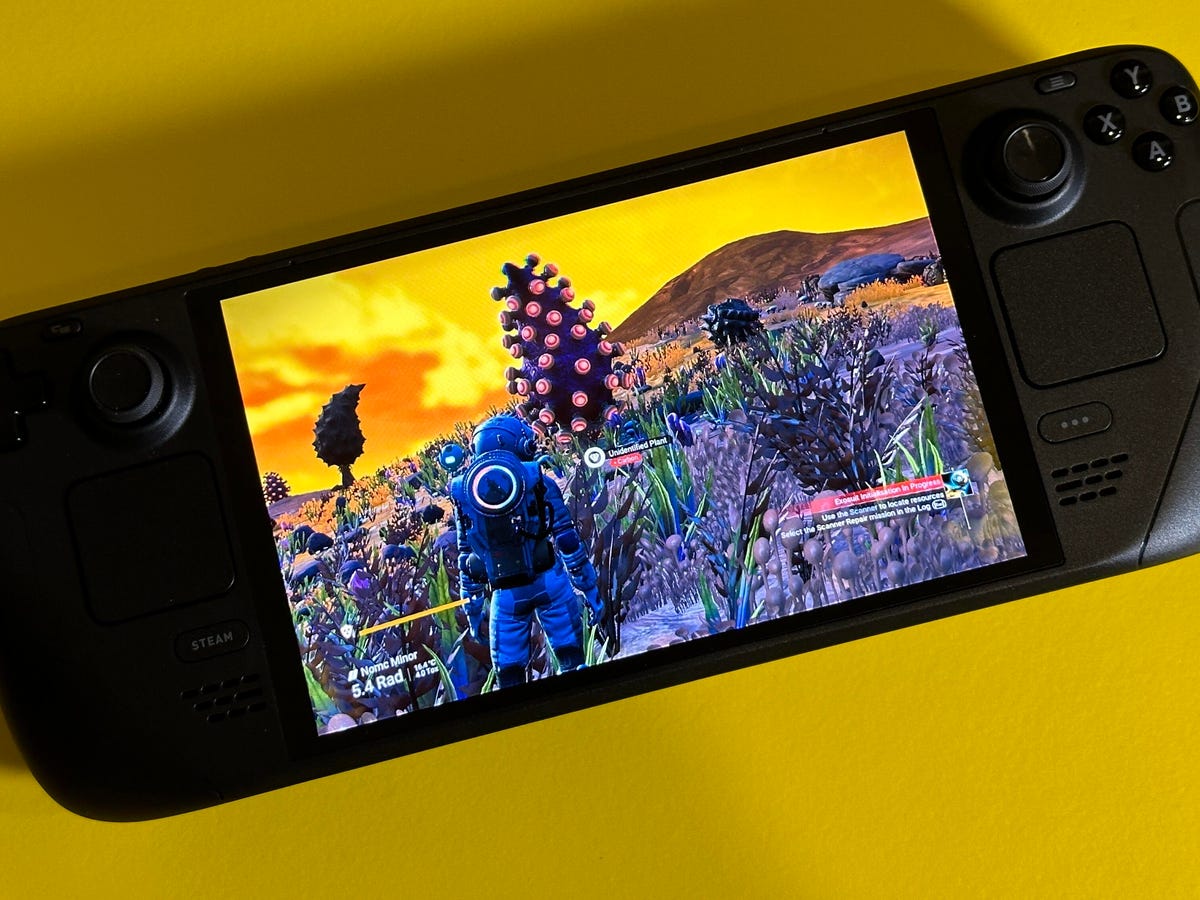
For most buyers, the Steam Deck OLED remains the best gaming handheld in 2026. It has the most balanced overall experience, strong game compatibility, a more polished handheld-first interface than most Windows alternatives, and enough performance to handle a huge chunk of modern PC gaming without becoming a constant settings project.
What keeps the Steam Deck ahead is not just power. It is usability. Valve understands that a handheld should feel like a handheld, not a tiny laptop trying to impersonate a console. That makes the Deck easier to recommend to people who actually want to play games instead of endlessly tweaking drivers, launchers, and resolution settings.
Check Steam Deck OLED price on Amazon
Best premium handheld for power users
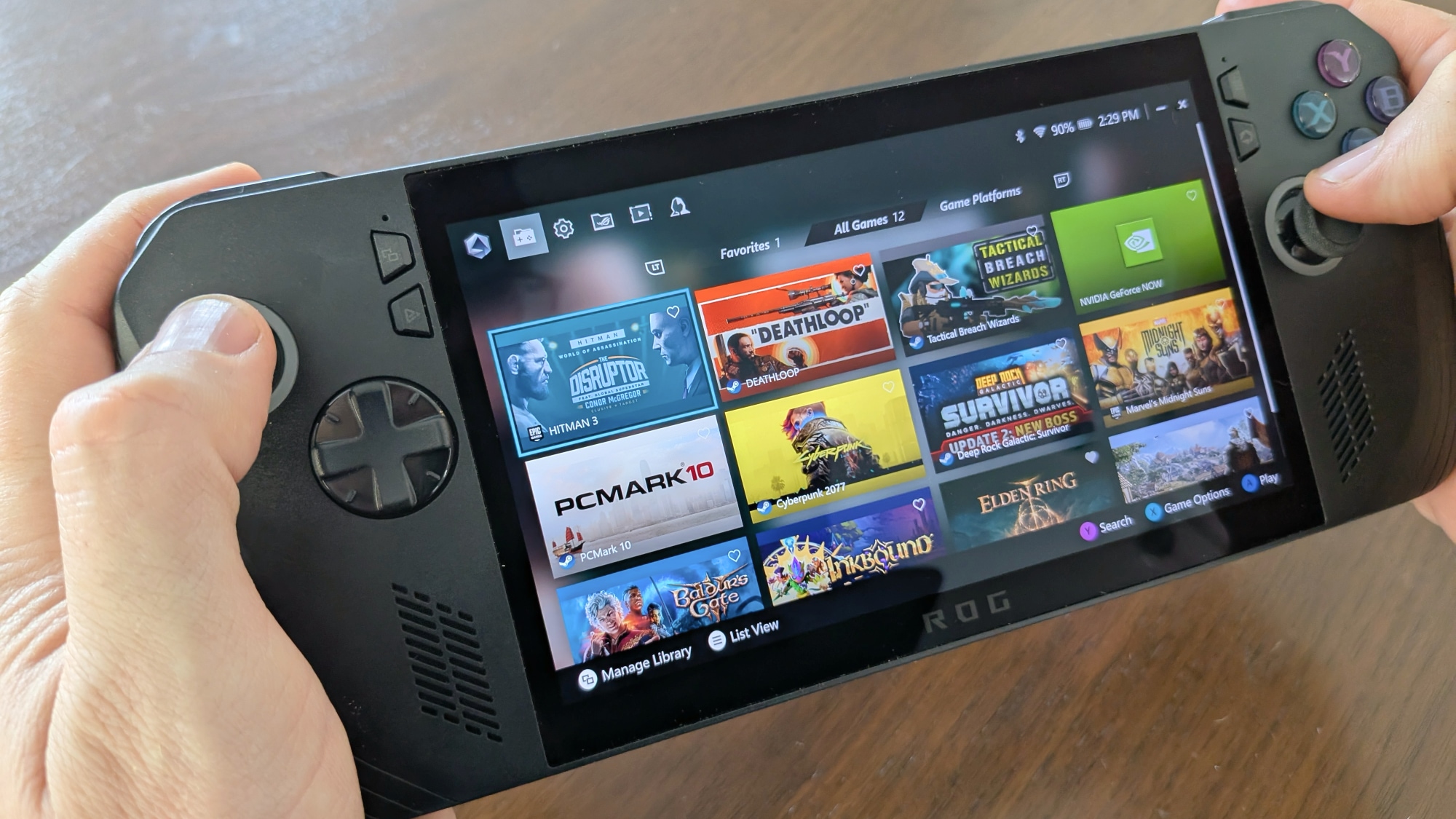
If performance and Windows compatibility matter more than elegance, the ASUS ROG Ally X is one of the strongest premium choices. It gives you better native access to Windows-based launchers, broader flexibility for services like PC Game Pass, and a more aggressive performance profile for players who do not mind spending more to get it.
The tradeoff is that Windows handhelds still tend to feel less streamlined than the Steam Deck. They can be more powerful, but they are often less graceful. If you like tinkering, that may be acceptable. If you want pick-up-and-play convenience, it matters a lot.
Check ASUS ROG Ally X price on Amazon
Best handheld for Nintendo players
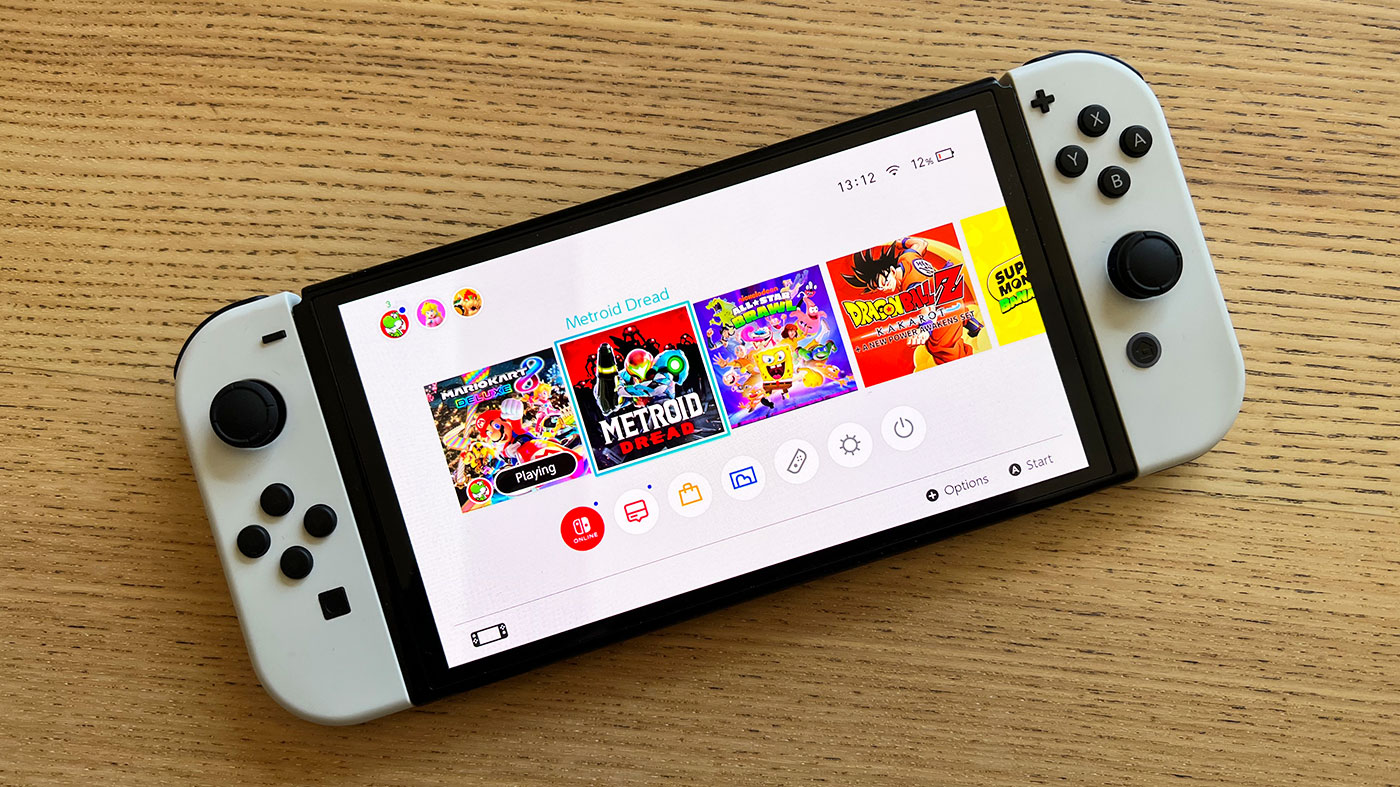
The Nintendo Switch OLED is still the obvious choice for people who mainly want Nintendo exclusives, local multiplayer, and a simpler console-like experience. It is less powerful than the newer PC-style handhelds, but that is not really why people buy it. They buy it because Mario, Zelda, Mario Kart, and Nintendo’s first-party lineup still have their own gravity.
That said, the Switch is no longer the default recommendation for buyers who care about broad multiplatform performance. If you want newer AAA games, deeper PC library access, or stronger future-proofing, the Switch starts to look more specialized than universal.
Check Nintendo Switch OLED price on Amazon
What matters most when choosing a handheld
- Game library: Nintendo, Steam, and Windows handhelds all serve different ecosystems.
- Battery life: More power usually means shorter sessions away from the charger.
- Ease of use: Some handhelds behave like consoles, others behave like tiny PCs.
- Comfort: Weight, grip shape, and button layout matter more than spec-sheet bragging.
- Price: Premium handhelds can get expensive fast once storage and accessories enter the picture.
Who should buy what?
- Buy the Steam Deck OLED if you want the best all-around balance of performance, interface, and value.
- Buy the ROG Ally X if you want stronger Windows flexibility and are comfortable with a more technical experience.
- Buy the Switch OLED if Nintendo games are the main reason you are shopping in the first place.
- Skip premium handhelds for now if you mostly play at home and would get more value from a console or gaming laptop.
Final verdict
Yes, gaming handhelds are worth it in 2026 for the right buyer. The category finally feels mature enough that you are not just paying for novelty. But the right choice depends less on hype and more on fit. If you want the safest overall recommendation, start with the Steam Deck OLED. If you want raw flexibility, look harder at the ROG Ally X. If you want Nintendo first, the Switch OLED still does exactly what it is supposed to do.
