
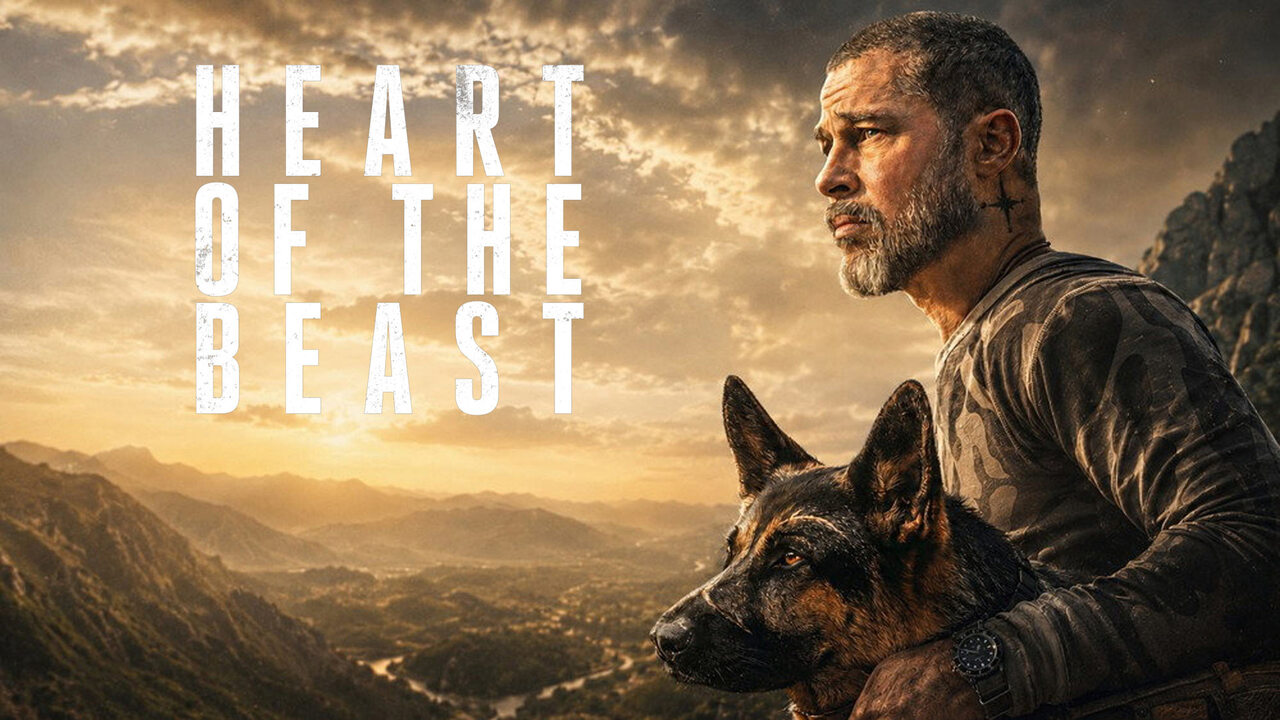
I went into Heart of the Beast expecting a survival movie. You know the formula: plane crash, freezing wilderness, dangerous animals, limited supplies, and a guy who conveniently knows how to survive situations that would have me dead before the opening credits finished.
What I wasn’t expecting was for this movie to hit me emotionally as hard as it did. I actually cried. And I’m not talking about getting a little misty-eyed and pretending something got in my eye. Heart of the Beast got me. Directed by David Ayer and written by Cameron Alexander, the film stars Brad Pitt as a former special forces soldier who survives a plane crash in the Alaskan wilderness alongside his combat dog. With practically no one around to help them, the two have to depend on each other as they face brutal weather, dangerous wildlife, injuries, and everything else Alaska can throw at them.

The setup sounds like a straightforward survival thriller. What surprised me is that the survival elements almost become secondary to the relationship between a soldier and his dog. And that dog? We’ll get to him, because somebody needs to create an Oscar category immediately.
Brad Pitt Carries a Movie With Almost No Dialogue
One of the craziest things about Heart of the Beast didn’t really hit me until I started thinking about the movie afterward. There are essentially only three characters with substantial present-day spoken dialogue. Three. Yes, there are flashbacks involving soldiers from Pitt’s past, but when it comes to the main story and actual ongoing conversations, this is an incredibly small cast. Brad Pitt, J.K. Simmons, and Anna Lambe have to do a tremendous amount with very little.
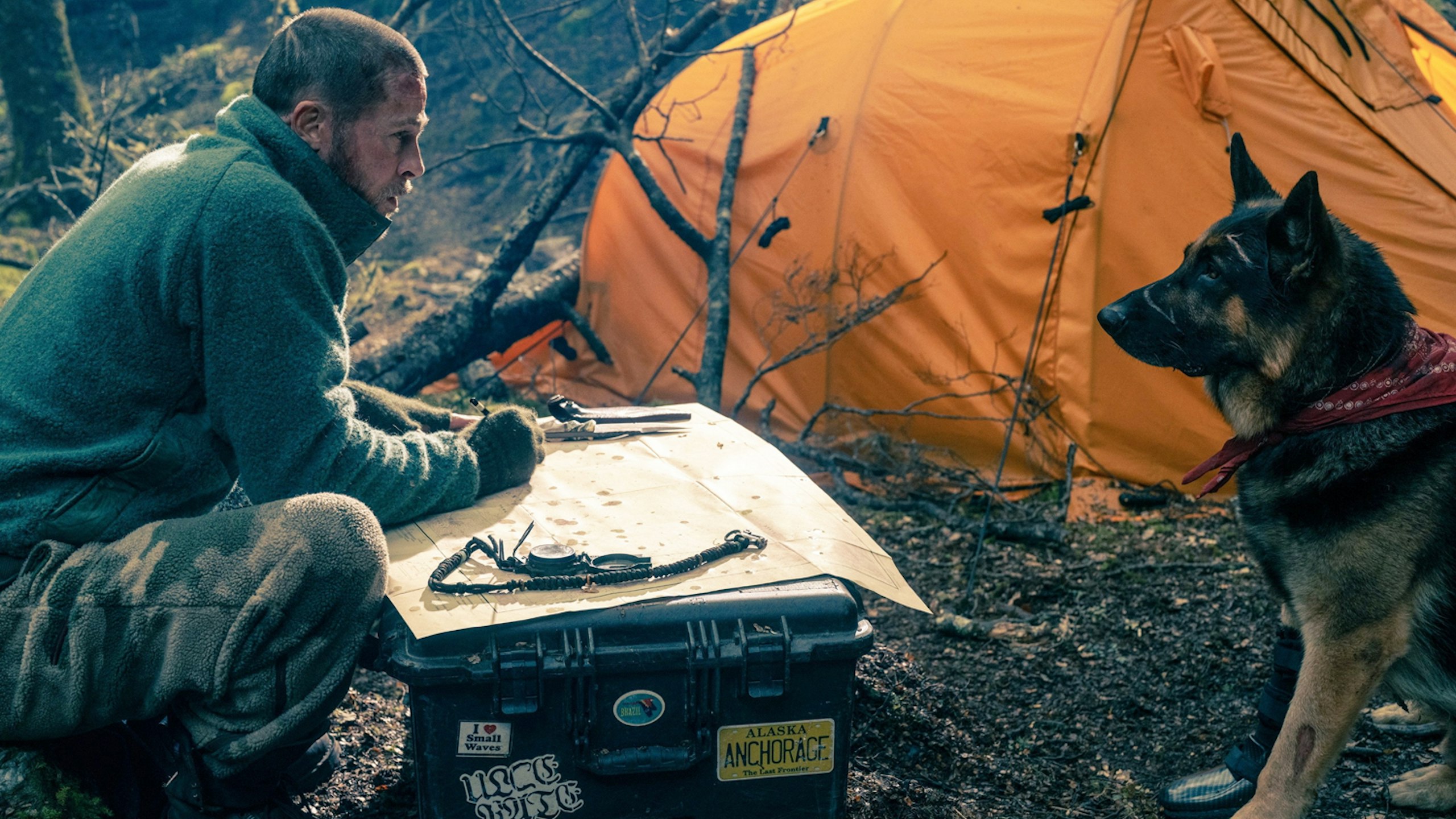
That’s especially challenging for Pitt because huge portions of the movie leave him with nobody to talk to except his dog. And last time I checked, the dog isn’t exactly carrying on a conversation.
Silence Actually Makes the Movie Better
That lack of dialogue could have made the movie painfully boring. Instead, it makes everything more intimate. Pitt has to communicate through his expressions, physical condition, body language, and interactions with the dog. You can see exhaustion gradually setting in. You can see frustration, fear, determination, and eventually desperation without needing a five-minute speech explaining how he’s feeling.

The wilderness also becomes louder because the characters are quieter. Every branch snapping matters. Every distant animal sound gets your attention. Every change in weather feels threatening. David Ayer allows the isolation to become part of the experience rather than constantly filling the silence with unnecessary dialogue or music. It works.
The Dog Absolutely Steals the Movie
Okay; We need to talk about this dog. Where is the Academy Award for Best Animal Performance? I’m serious. Hollywood has awards for visual effects, costumes, makeup, sound, editing, music, and practically every other major element involved in creating a movie. After watching Heart of the Beast, I’m officially arguing that we need one for animals. Because this dog deserves an Oscar.

The relationship between Pitt’s character and his combat dog is the emotional foundation of the entire film. You never feel like you’re simply watching an actor standing next to a trained animal waiting for somebody off-camera to give it another command. Their connection feels real. The dog reacts to danger, watches Pitt’s character, protects him, depends on him, and at times seems to understand exactly how bad their situation has become. Some of the dog’s reactions honestly got to me more than dialogue probably would have.
Anyone who has ever had a dog will understand why. Dogs don’t need to explain that they trust you. They just do. And when a movie manages to capture that relationship properly, it can absolutely destroy you emotionally. Apparently, Heart of the Beast woke up and chose emotional violence.
More Than a Wilderness Survival Movie
The marketing could easily sell Heart of the Beast as Brad Pitt versus Alaska. And yes, there’s plenty of survival material here. The environment is absolutely brutal. Cold, hunger, injuries, difficult terrain, and wild animals constantly remind you that these two are somewhere human beings aren’t exactly built to survive without preparation. But the movie isn’t really about whether Pitt can punch nature into submission. It’s about dependence.
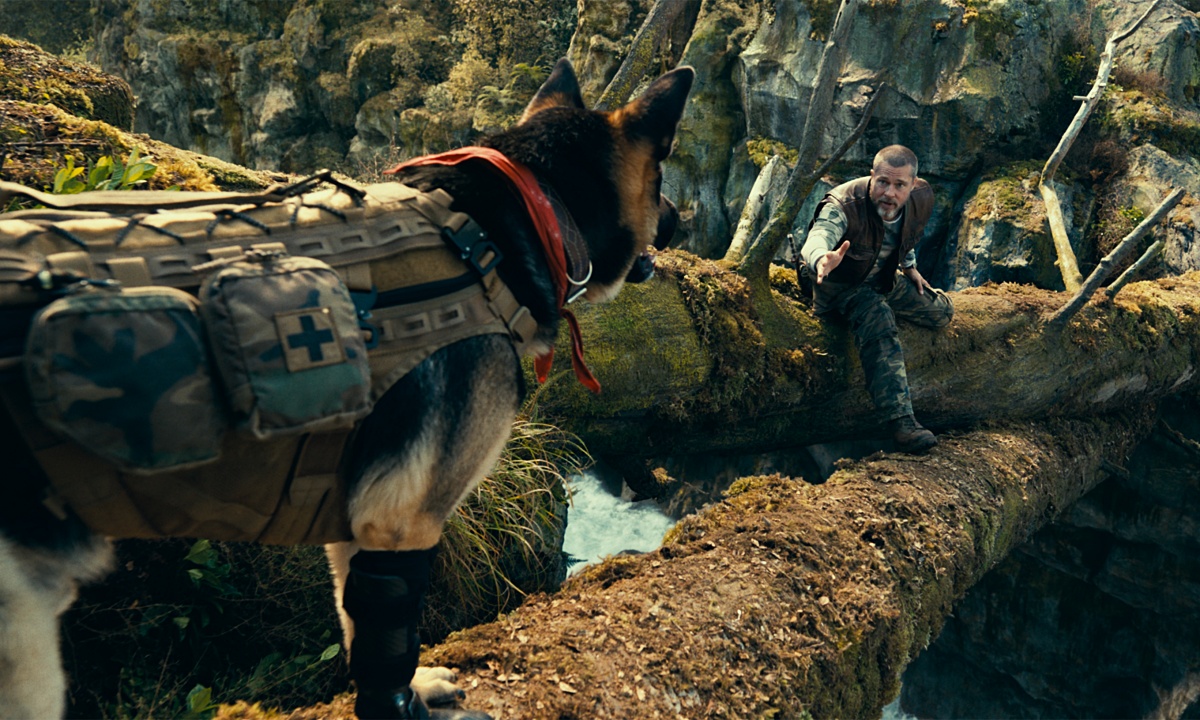
This is a trained soldier accustomed to relying on his abilities, instincts, and experience. He’s probably better equipped than most people to survive a situation like this. But he still can’t do everything alone. Neither can the dog. Their survival depends on working together. That’s where the title Heart of the Beast starts to mean something beyond simply sounding cool on a movie poster.
There are moments when the dog protects the man, moments when the man protects the dog, and others where you realize they’re both continuing because the other one is still there. That’s what ultimately makes the movie work.
The Flashbacks Give the Survival Story More Weight
The military flashbacks also help us understand that Pitt’s character isn’t entering the wilderness as a blank slate. He’s carrying things with him. Memories. Loss. Relationships. Experiences from his time as a soldier. Rather than turning the flashbacks into an entirely separate storyline, the film uses them to provide context for the man we’re watching struggle through Alaska.

That was important because when you have such a small cast and limited dialogue, you need another way to understand what’s happening internally. The flashbacks give us pieces without explaining everything. And I appreciated that restraint. The movie trusts Brad Pitt enough to let his performance fill in the spaces between what we’re explicitly shown.
Heart of the Beast Earned Its Emotional Moments
This is probably what surprised me the most. Movies involving dogs sometimes feel like they’re deliberately trying to make you cry. You know exactly what they’re doing. Sad music starts playing. The camera moves in. You think, Oh no. Don’t you dare. And then the filmmakers go directly for your emotional weak spot.

Heart of the Beast certainly knows the audience is going to become attached to the dog, but most of the emotional impact felt earned rather than manipulated. That’s because the movie spends so much time establishing the relationship. You watch these two rely on each other. You see the trust. You experience the isolation with them. So when things become emotional, there’s already a connection. I wasn’t crying because the movie suddenly told me something was sad. I was emotional because by that point I cared about both of them. That’s a huge difference.
Brad Pitt Reminds You How Good He Can Be
It’s easy to forget how difficult this kind of performance is. Give an actor clever dialogue and a great supporting cast, and there are plenty of ways to build a character. Take most of that away and suddenly there’s nowhere to hide. Brad Pitt spends a significant portion of Heart of the Beast acting opposite an animal in the middle of an unforgiving environment. He has to hold your attention without constantly talking. And he does.
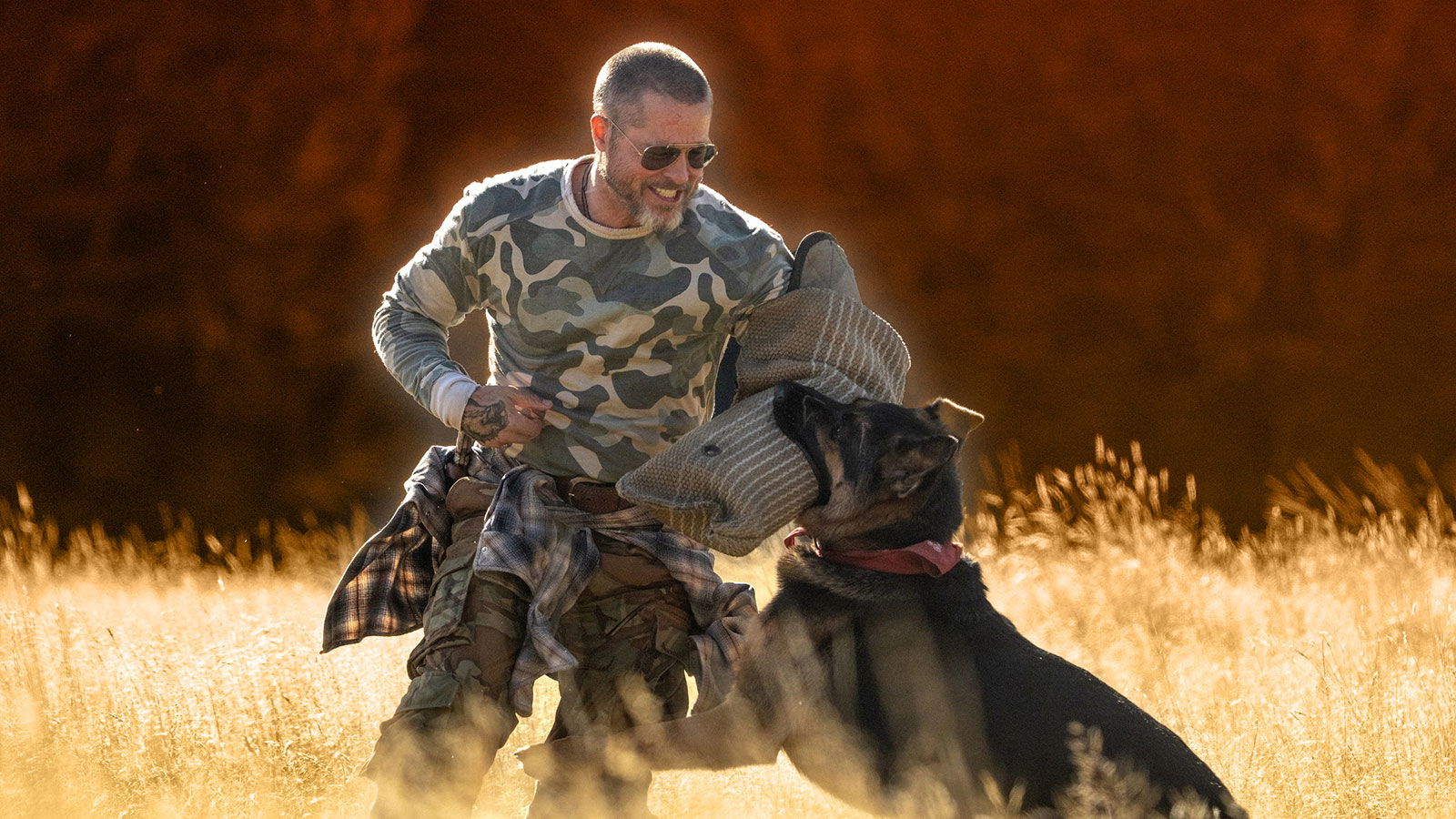
Pitt makes the physical deterioration believable, but it’s the quieter emotional changes that impressed me more. You watch this capable man slowly get stripped down to the most basic things that matter: staying alive and protecting the companion beside him. J.K. Simmons and Anna Lambe also make their limited screen time count, but this is ultimately Pitt’s movie. Well… Pitt and the dog’s movie. I’m giving them equal billing at this point.