Official Street Fighter Movie Trailer 2 2026 | Jason Momoa, Cody Rhodes, 50 Cent Action Movie | Release Date: 16 October 2026 | More trailers ➤
Set in 1993, estranged Street Fighters Ryu and Ken Masters are thrown back into combat when the mysterious Chun-Li recruits them for the next World Warrior Tournament: a brutal clash of fists, fate, and fury. But behind this battle royale lies a deadly conspiracy that forces them to face off against each other and the demons of their past. And if they don’t, it’s GAME OVER!
Official The Dog Stars Movie Trailer 2026 | Jacob Elordi, Josh Brolin,
Margaret Qualley, Guy Pearce, Ridley Scott Sci-Fi Thriller Movie | Release Date: 28 August 2026 | More trailers ➤
In a post-apocalyptic world, a virus wipes out humanity. Survivors face roaming scavengers called Reapers. Protagonist Hig, a pilot, survived the flu but lost his wife.
If you are looking at Apple 2026 MacBook Air 13, the real question is not just whether the product looks good on paper. It is whether it actually solves the buying problem people have right now, and whether it still feels like a smart buy in 2026.
That matters because a lot of tech coverage is either too generic to help or too obsessed with specs to be useful. What buyers usually need is something simpler: what stands out, what the tradeoffs are, who should buy it, and who should absolutely skip it.
What buyers should pay attention to
Performance: Does it actually deliver where it matters in daily use?
Value: Is the pricing justified relative to the alternatives?
Ease of use: Is this product friction-free or constantly annoying?
Competition: What is the smarter alternative if this is not the best fit?
Longevity: Will this still feel like a smart purchase going forward?
If you are considering the Apple 2026 MacBook Air 13, the smart angle is straightforward: weigh portability, everyday performance, battery life, and price against Windows ultrabooks and the step-up Pro models before you buy.
If you are looking at The Best Gaming TVs of 2026, the real question is not just whether the product looks good on paper. It is whether it actually solves the buying problem people have right now, and whether it still feels like a smart buy in 2026.
That matters because a lot of tech coverage is either too generic to help or too obsessed with specs to be useful. What buyers usually need is something simpler: what stands out, what the tradeoffs are, who should buy it, and who should absolutely skip it.
Why this topic matters right now
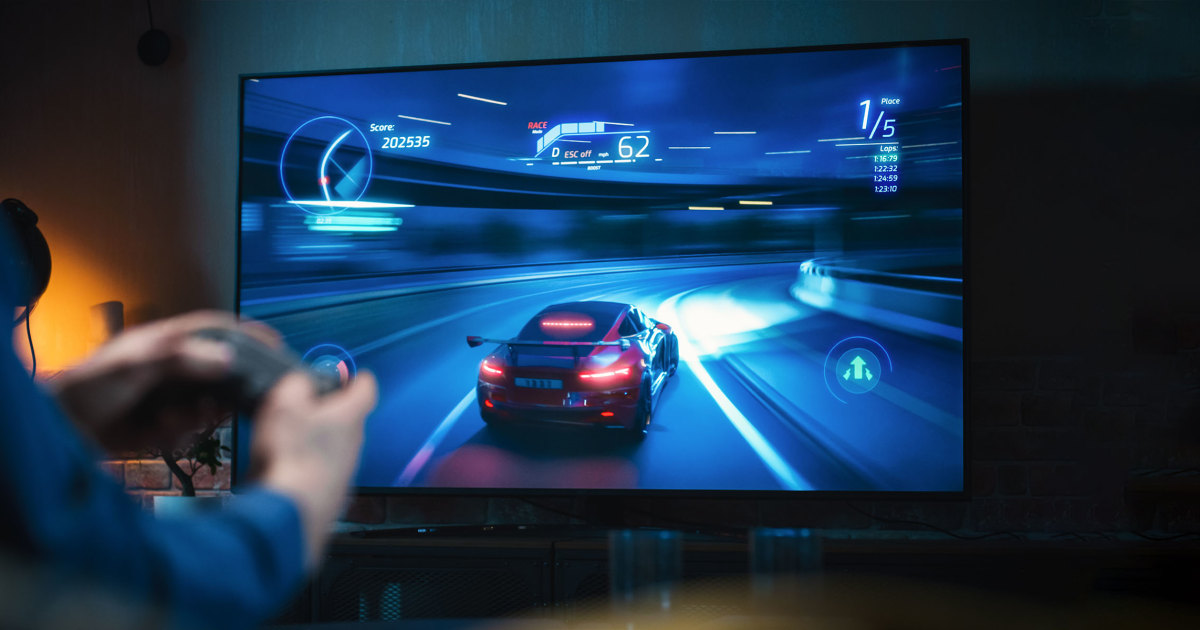
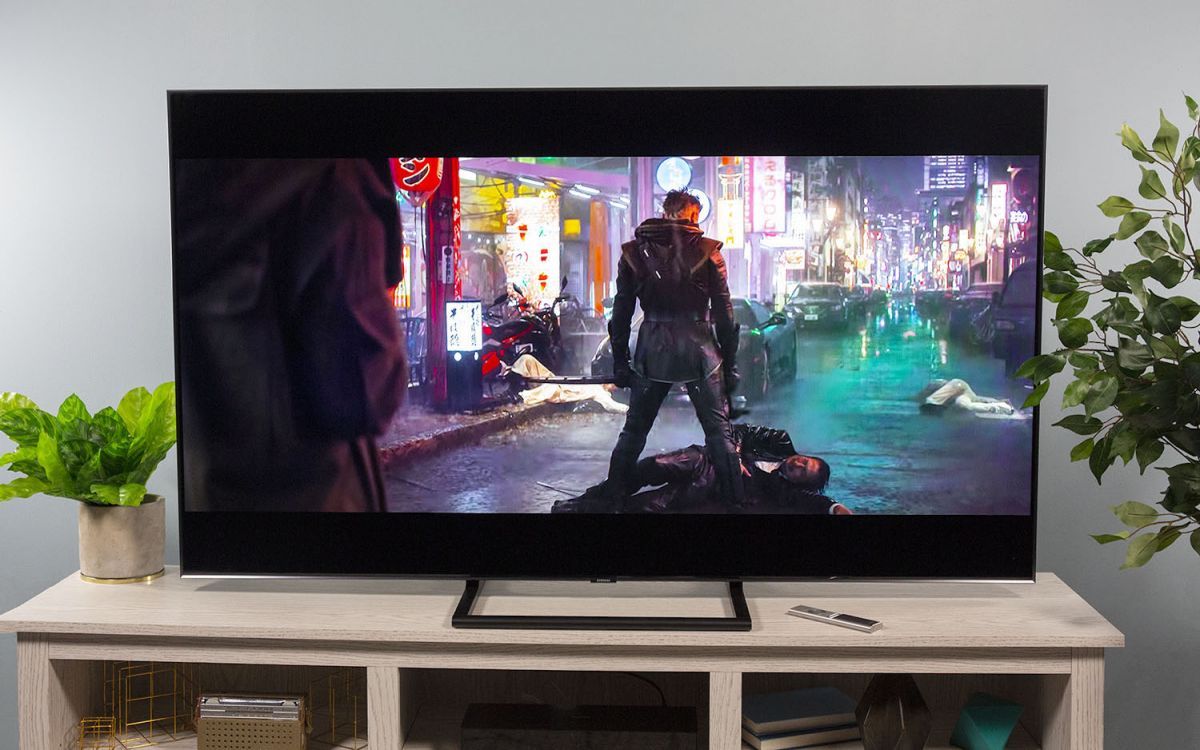
TVs with high refresh rates (ideally with VRR), fast pixel response times, low input lag, and incredible HDR are how we chose the absolute best for gaming.
What buyers should pay attention to
Performance: Does it actually deliver where it matters in daily use?
Value: Is the pricing justified relative to the alternatives?
Ease of use: Is this product friction-free or constantly annoying?
Competition: What is the smarter alternative if this is not the best fit?
Longevity: Will this still feel like a smart purchase going forward?
If you only want a cheap streaming stick for Netflix and YouTube, the NVIDIA Shield TV Pro is probably overkill in 2026. It costs more than most mainstream streamers, it is older than rivals like the Apple TV 4K or Google TV Streamer, and it is clearly aimed at a narrower crowd. But that crowd still exists, and for the right buyer the Shield TV Pro remains one of the most interesting streaming boxes you can put under a television.
The reason is simple: this is not just another little box for binge-watching sitcoms. The Shield TV Pro still stands out for local media playback, Plex server potential, strong format support, AI upscaling, Gigabit Ethernet, expandable storage, and a level of flexibility that budget-first streamers rarely match. So the question in 2026 is not whether the Shield TV Pro is the newest streamer on the shelf. It is whether it is still the smartest pick for people who want more control, more horsepower, and fewer living-room compromises.
NVIDIA Shield TV Pro remains a niche favorite for Plex users and home-theater power users.
What the NVIDIA Shield TV Pro Is
The NVIDIA Shield TV Pro is a premium Android TV streaming media player built for enthusiasts who care about performance, format support, and a more capable home-theater setup. NVIDIA continues to position it as a high-end 4K HDR streamer with support for Dolby Vision, Dolby Atmos, AI-enhanced upscaling, Chromecast built in, Google Assistant voice control, and two USB 3.0 ports for storage or accessories.
That feature list still matters because a lot of competing devices are really optimized around convenience and price. The Shield TV Pro aims at a different kind of buyer: someone with a local media library, a Plex setup, a NAS on the network, a surround-sound system, or a habit of tweaking settings until everything feels exactly right. It is closer to a hobbyist-friendly entertainment hub than a disposable streaming dongle.
That also means it is not the universal best option for every household. If your main goal is spending as little as possible, there are easier recommendations. But if you have ever been annoyed by limited codec support, weak networking, cluttered built-in TV software, or a streamer that feels underpowered after a year, the Shield TV Pro still deserves a serious look.
Real-World Use and Everyday Performance
In daily use, the Shield TV Pro still feels fast where it counts. Apps open quickly, menus remain responsive, and 4K playback is generally smooth when your network and services cooperate. That matters more than raw spec-sheet bragging rights because streaming hardware tends to live or die based on how annoying it becomes after a few months in the living room.
The Shield’s biggest advantage is that it still behaves like a streamer for people who actually care about their setup. Wired Ethernet is built in. USB ports are there when you want to connect external storage or accessories. Plex users get far more room to work with than they do on a bargain stick. If you run a large local library, want strong playback flexibility, or like the idea of one device pulling double duty as a streamer and media hub, the Shield TV Pro remains unusually capable.
AI upscaling is also still one of the more distinctive features here. It is not magic, and it will not turn bad source material into pristine native 4K, but it can make older or lower-resolution content look a little sharper and more polished on a large screen. For buyers who still watch a mix of HD content, that feature gives the Shield a practical edge over devices that mostly just pass the signal through.
There are trade-offs, though. The interface does not feel as polished as Apple’s, and mainstream buyers may prefer the cleaner simplicity of devices like the Apple TV 4K. The hardware is also no longer the fresh new thing in the category, which means part of what you are buying is a still-useful premium niche rather than a next-gen mainstream streamer. That is fine if you understand what it is. It is less fine if you are only shopping by price and recency.
What the Shield TV Pro Gets Right
Excellent for Plex and local media users
This is where the Shield TV Pro still separates itself. If your entertainment setup goes beyond a handful of streaming apps, the device feels built for your kind of use. It is a much more compelling option for serious Plex users than a basic stick or an underpowered smart TV interface.
Better connectivity than most streaming sticks
Gigabit Ethernet and USB ports are not flashy features, but they matter in real homes. They make the Shield TV Pro feel like a serious living-room component instead of a tiny gadget you replace the second your needs get more demanding.
Strong format and theater-friendly support
Support for high-end audio and video standards is still a key reason to consider it. Buyers with a proper sound system or a higher-end television will get more value out of that than casual viewers on a bedroom TV.
AI upscaling still helps older content look better
Not every buyer will care, but people with large libraries of HD content probably will. It is one of the features that still gives the Shield a personality in a sea of increasingly similar streamers.
Where It Feels Weaker in 2026
The price is harder to ignore now
The biggest problem with the Shield TV Pro is not that it suddenly became bad. It is that the streaming market got more crowded and more price-sensitive. Paying a premium makes sense when you will actually use the extra flexibility. It makes less sense if you only stream from the same five mainstream apps as everyone else.
Mainstream rivals are easier to recommend to casual buyers
Devices from Apple, Roku, Amazon, and Google all make a simpler pitch for the average shopper. If you want the easiest family-room recommendation with minimal explanation, the Shield TV Pro is not the first box most people should buy.
The hardware feels established rather than new
That is not automatically a deal-breaker, but it is part of the buying equation. Some shoppers will see a mature platform with a strong reputation. Others will see an expensive device that is no longer the newest thing in the aisle.
Pros and Cons
Pros
Excellent choice for Plex and local media setups
AI upscaling remains genuinely useful for some viewers
Gigabit Ethernet and USB connectivity add real flexibility
Good fit for home-theater enthusiasts and power users
Strong audio and video format support
Cons
More expensive than mainstream streaming alternatives
Not the best value for casual viewers
Interface polish does not quite match Apple TV 4K
Older platform means less appeal for buyers chasing the newest hardware
Who Should Buy the NVIDIA Shield TV Pro?
The Shield TV Pro makes the most sense for buyers who know exactly why they want it. If you run Plex, keep a local media collection, care about Ethernet and USB expandability, or want a more enthusiast-friendly streamer than the typical plug-and-play stick, it is still one of the strongest niche buys in the category.
If that is not you, the case gets weaker fast. Casual streamers, price-conscious buyers, and people who just want a smooth app launcher for subscription services can spend less and still be perfectly happy. For those shoppers, the Shield TV Pro is a little like buying a high-end multitool when all you really needed was a bottle opener.
Is the NVIDIA Shield TV Pro Worth It?
Yes, but only for the right buyer. In 2026, the NVIDIA Shield TV Pro is still worth it if you value flexibility, local media strength, theater-friendly features, and enthusiast-level control more than sticker price. It remains one of the few streaming boxes that feels designed for people who actually push their setup beyond the basics.
For everyone else, there are easier and cheaper answers. That is what makes the Shield TV Pro interesting: it is no longer the universal recommendation, but it may still be the best recommendation for power users who know what mainstream streamers leave out.
Final Thoughts
The NVIDIA Shield TV Pro survives in 2026 because it still solves problems that cheaper devices often ignore. It is not the best value buy for the average household, and it is not the cleanest all-around streamer for every TV. But if you want a premium box that still respects home-theater nerds, Plex users, and people with more demanding media habits, this one has not lost its purpose.
That is the real verdict: the Shield TV Pro is not for everybody, but it absolutely still matters.
If you want to check current pricing or bundle options, the easiest affiliate-safe route is to browse NVIDIA Shield TV Pro listings on Amazon before buying.
Handheld gaming in 2026 is no longer a novelty category. It is a real buying decision, and a surprisingly messy one. Buyers now have to choose between portable PCs, Nintendo’s ecosystem, battery-life tradeoffs, Windows headaches, and wildly different price points. That means the best gaming handheld is no longer the same for everyone.
If you want the short version, the Steam Deck OLED is still the safest all-around pick for most players because it balances performance, software, comfort, and value better than anything else. But it is not automatically the right answer if you want native Game Pass flexibility, the best raw specs, or a simpler console-style experience. That is where the rest of the field gets interesting.
Best gaming handheld for most people
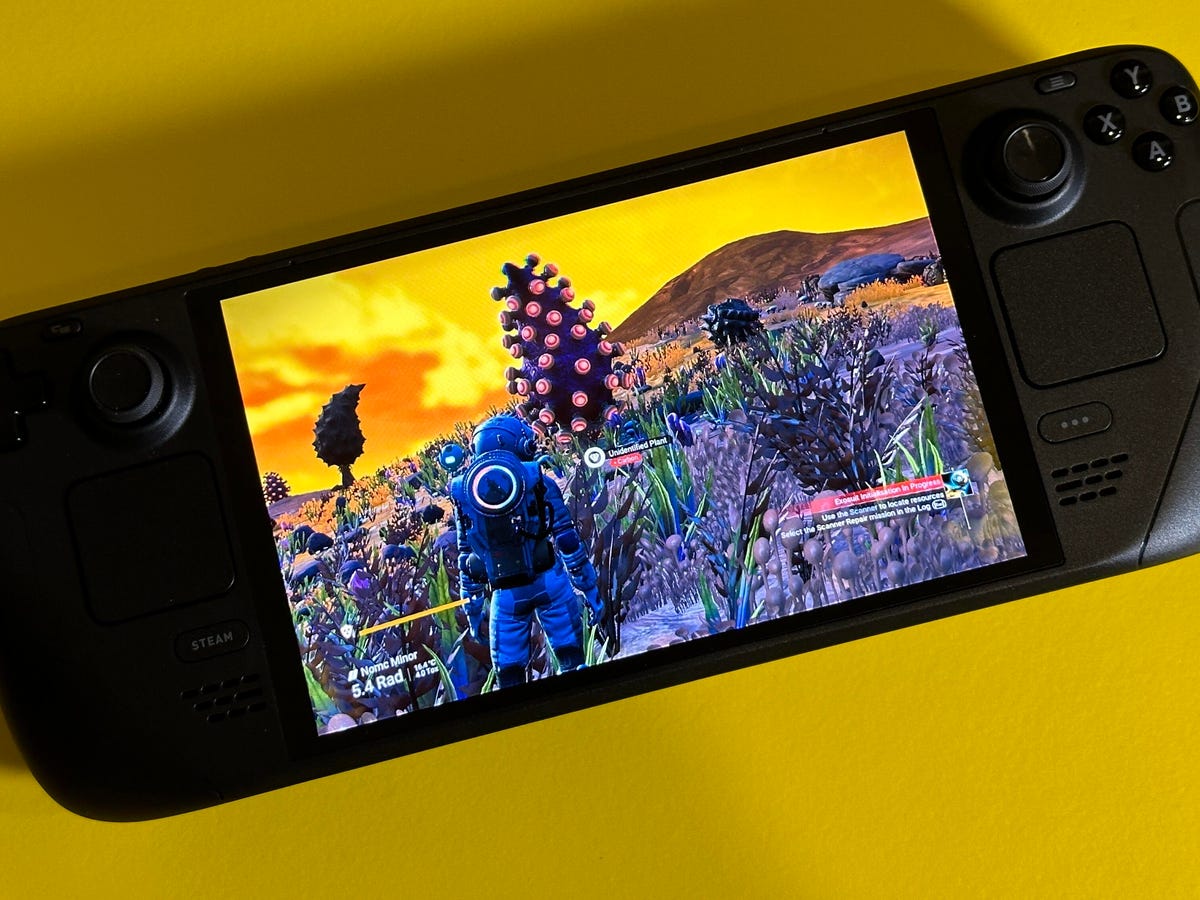
For most buyers, the Steam Deck OLED remains the best gaming handheld in 2026. It has the most balanced overall experience, strong game compatibility, a more polished handheld-first interface than most Windows alternatives, and enough performance to handle a huge chunk of modern PC gaming without becoming a constant settings project.
What keeps the Steam Deck ahead is not just power. It is usability. Valve understands that a handheld should feel like a handheld, not a tiny laptop trying to impersonate a console. That makes the Deck easier to recommend to people who actually want to play games instead of endlessly tweaking drivers, launchers, and resolution settings.
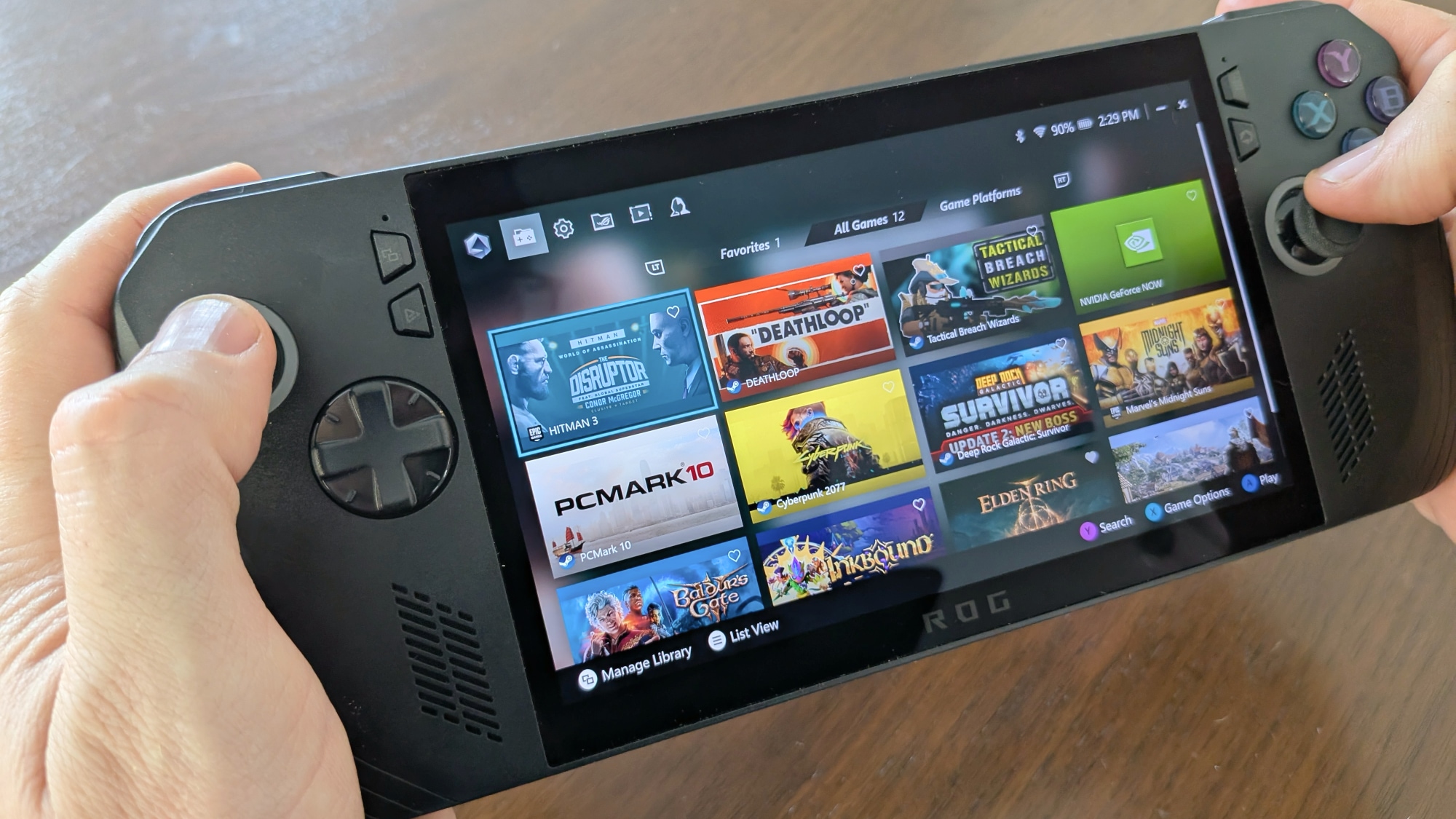
If performance and Windows compatibility matter more than elegance, the ASUS ROG Ally X is one of the strongest premium choices. It gives you better native access to Windows-based launchers, broader flexibility for services like PC Game Pass, and a more aggressive performance profile for players who do not mind spending more to get it.
The tradeoff is that Windows handhelds still tend to feel less streamlined than the Steam Deck. They can be more powerful, but they are often less graceful. If you like tinkering, that may be acceptable. If you want pick-up-and-play convenience, it matters a lot.
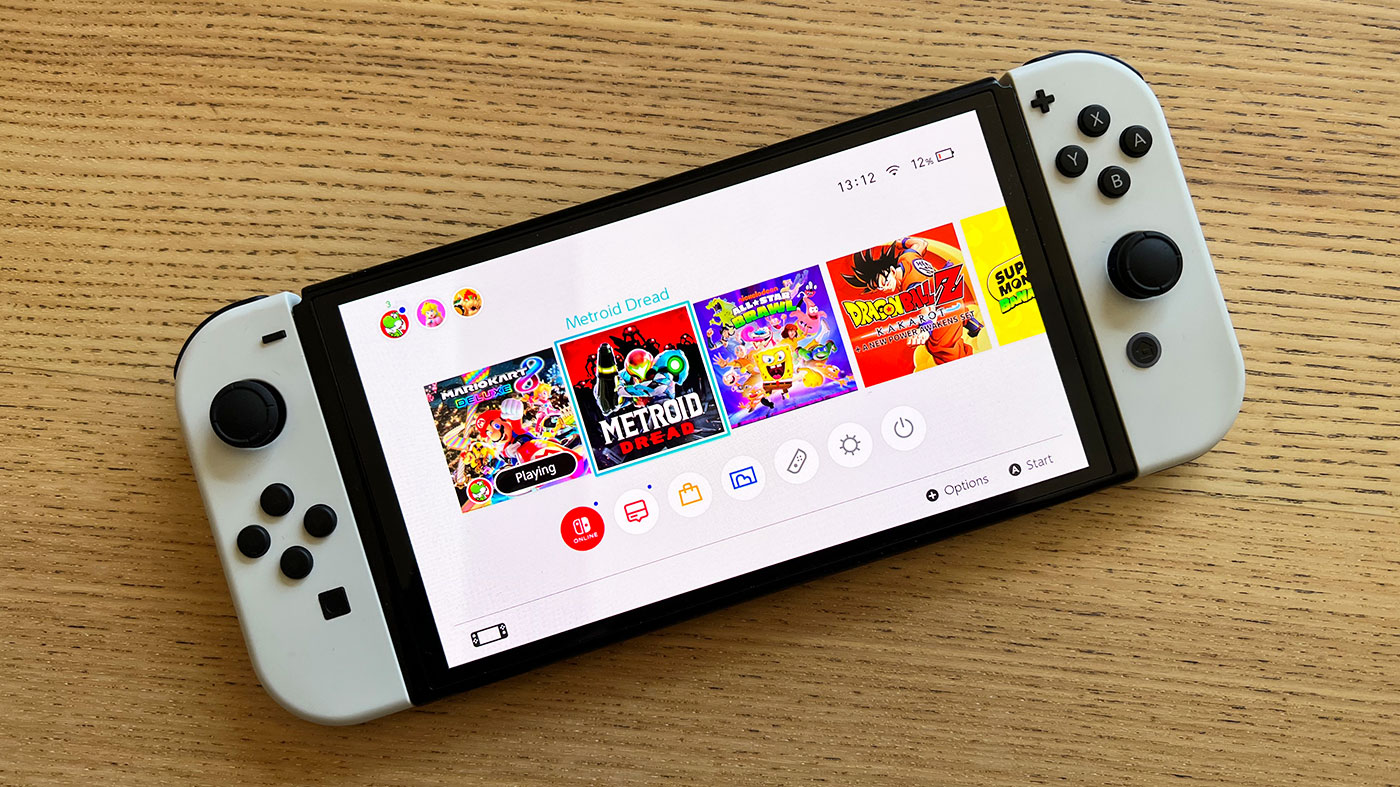
The Nintendo Switch OLED is still the obvious choice for people who mainly want Nintendo exclusives, local multiplayer, and a simpler console-like experience. It is less powerful than the newer PC-style handhelds, but that is not really why people buy it. They buy it because Mario, Zelda, Mario Kart, and Nintendo’s first-party lineup still have their own gravity.
That said, the Switch is no longer the default recommendation for buyers who care about broad multiplatform performance. If you want newer AAA games, deeper PC library access, or stronger future-proofing, the Switch starts to look more specialized than universal.
Game library: Nintendo, Steam, and Windows handhelds all serve different ecosystems.
Battery life: More power usually means shorter sessions away from the charger.
Ease of use: Some handhelds behave like consoles, others behave like tiny PCs.
Comfort: Weight, grip shape, and button layout matter more than spec-sheet bragging.
Price: Premium handhelds can get expensive fast once storage and accessories enter the picture.
Who should buy what?
Buy the Steam Deck OLED if you want the best all-around balance of performance, interface, and value.
Buy the ROG Ally X if you want stronger Windows flexibility and are comfortable with a more technical experience.
Buy the Switch OLED if Nintendo games are the main reason you are shopping in the first place.
Skip premium handhelds for now if you mostly play at home and would get more value from a console or gaming laptop.
Final verdict
Yes, gaming handhelds are worth it in 2026 for the right buyer. The category finally feels mature enough that you are not just paying for novelty. But the right choice depends less on hype and more on fit. If you want the safest overall recommendation, start with the Steam Deck OLED. If you want raw flexibility, look harder at the ROG Ally X. If you want Nintendo first, the Switch OLED still does exactly what it is supposed to do.
Dash cams are easy to oversimplify. A lot of buyers see 4K on the box, nod solemnly, and assume they are done. Night driving is where that logic gets humbled. A dash cam can have a high resolution number and still produce soft, smeary footage once headlights flare, shadows deepen, and motion enters the picture like it owns the road.
If your goal is better protection at night, what matters is low-light processing, plate readability, dynamic range, lens quality, and whether the camera stays reliable when you actually need it. That usually matters a lot more than the most aggressive marketing badge on the packaging.
This guide is for drivers who want a dash cam that gives them a real shot at capturing usable nighttime footage, not just a blurry neon painting of the problem.
What Matters Most for Night Driving
Low-light image handling beats raw spec-sheet flexing
A dash cam can advertise 4K and still look rough in the dark if the sensor and processing are weak. Better low-light tuning matters more than resolution bragging rights on their own.
Plate readability is the real test
If a camera cannot give you a fighting chance at reading a plate in motion or under streetlights, its headline resolution is doing a lot of emotional support work and not enough practical work.
HDR and exposure control help more than people realize
Night footage is hard because scenes have extremes: dark roads, bright signs, headlights, reflections, and random street lighting. Good exposure handling can make the difference between evidence and abstract art.
Parking mode is worth the extra attention
A lot of incidents happen when the car is parked, especially at night. If a dash cam supports a dependable parking mode with the right hardwire setup, that raises its real-world value fast.
VIOFO has become one of the easiest enthusiast-friendly recommendations in dash cams because the brand usually gives buyers strong feature density without drifting into total nonsense. The A229 Pro is one of the first models worth checking if nighttime clarity is high on your priority list.
Garmin’s smaller dash cams appeal to buyers who want something less clunky and more mainstream. If you care about a cleaner install and a less intimidating app experience, this is a strong shortlist candidate.
The 622GW has been one of the more recognized premium dash cam models for buyers who want a polished, feature-rich option. It is worth considering if you want a big-brand route with broad accessory support.
If your priority is broader coverage with front, interior, and rear recording, Vantrue is one of the names that tends to stay in the conversation. For rideshare drivers or buyers who want more total visibility, it deserves a look.
What Works Well in This Category
The better dash cams in 2026 are smarter, smaller, and generally less annoying than older generations. App connectivity is more normal, parking mode is easier to understand, and you can now find several models that are genuinely competent at nighttime capture instead of merely claiming to be.
That matters because a dash cam is one of those products where peace of mind only exists if the device is dependable. When the category gets the basics right – stable recording, decent file management, usable footage, and sane installation – it becomes much easier to recommend.
What Could Be Better
Apps are still a mixed bag. Some are fine. Some feel like they were designed by a committee that resented both software and humans.
Heat tolerance and long-term reliability are also worth watching, especially if the camera will live on the windshield through hot weather. And while low-light performance has improved, no dash cam turns night footage into CSI magic. Buyers should expect better odds, not miracles.
Who This Is For
This category is ideal for:
commuters who spend a lot of time driving before sunrise or after dark
drivers who park on streets or in dim lots
rideshare users or delivery drivers who want more evidence coverage
It is less ideal for:
buyers who drive mostly in daylight and want the cheapest possible option
people unwilling to deal with setup or memory-card maintenance
Smart Buying Priorities
If you want the safest buying strategy, prioritize:
Real low-light reputation
Reliable recording stability
Parking mode support
Ease of install and app usability
Extra channels only if you actually need them
That order usually leads to better ownership than chasing the biggest resolution number in the room.
Final Verdict
The best dash cams for night driving in 2026 are the ones that give you cleaner, more readable footage when lighting gets ugly and stress levels go up. That means low-light processing, balanced exposure, and real reliability matter more than spec-sheet theater.
If you want a strong starting point, VIOFO and Garmin are easy places to begin depending on whether you prioritize enthusiast-level features or simpler mainstream usability. If you want broader cabin or rear coverage, Vantrue is still firmly in the conversation. Just buy with realistic expectations: a great night-driving dash cam improves your odds of getting usable evidence. That alone makes it one of the smarter car-tech purchases you can make.
For more buying guides, browse our Products and Tech coverage, and check our jump-starter roundup if you want another piece of glovebox insurance.
If your current TV interface feels sluggish, cluttered, or just plain annoying, a dedicated streaming device can still make a huge difference in 2026. For most buyers, the question is not whether Roku, Google TV, or Fire TV can play the major apps. They all can. The real question is which one gives you the smoothest experience, the best value, and the fewest day-to-day frustrations.
That is where the buying decision gets more interesting. Some streamers are better for simplicity. Others are better for discovery, voice search, or ecosystem integration. And while pricing matters, the cheapest option is not always the best long-term buy if it feels slow six months from now. If you want the best streaming device for 2026, you should be looking at performance, app support, interface quality, and how well the device fits the way you actually watch TV.
Best streaming device for most people in 2026
For most households, the best streaming device is the one that disappears into the experience. It should load quickly, stay responsive, support the major apps, and make it easy to jump between Netflix, Disney+, Max, YouTube, Prime Video, and live TV services without friction. In that sense, Roku and Google TV remain the best all-around picks for most people, while Fire TV is strongest for buyers who already live inside Amazon’s ecosystem.
Roku still wins points for simplicity. Its interface is clean, easy to understand, and friendly for households where not everyone wants to wrestle with menus or recommendations. Google TV is more dynamic and better at surfacing content, which can be a plus if you like smarter recommendations and tighter integration with Google Assistant. Fire TV can still be a strong value, but its interface tends to feel busier and more promotional, which not every buyer enjoys.
What to look for in a streaming device
Speed and responsiveness: Laggy menus ruin the experience fast.
App support: Your must-have apps should be stable and easy to access.
4K and HDR compatibility: Dolby Vision and HDR10 support matter if you have a newer TV.
Remote quality: A bad remote makes even a good device more frustrating.
Voice search: Useful if you bounce between apps often.
Platform preferences: Amazon, Google, and Roku all shape the home screen differently.
Top picks and where to buy them
If you are ready to buy, these are the three device types worth prioritizing right now.
Roku Ultra: Best for shoppers who want a fast, easy interface and minimal setup friction. Check price on Amazon
Google TV Streamer: Best for buyers who want stronger recommendations and Google ecosystem features. Check price on Amazon
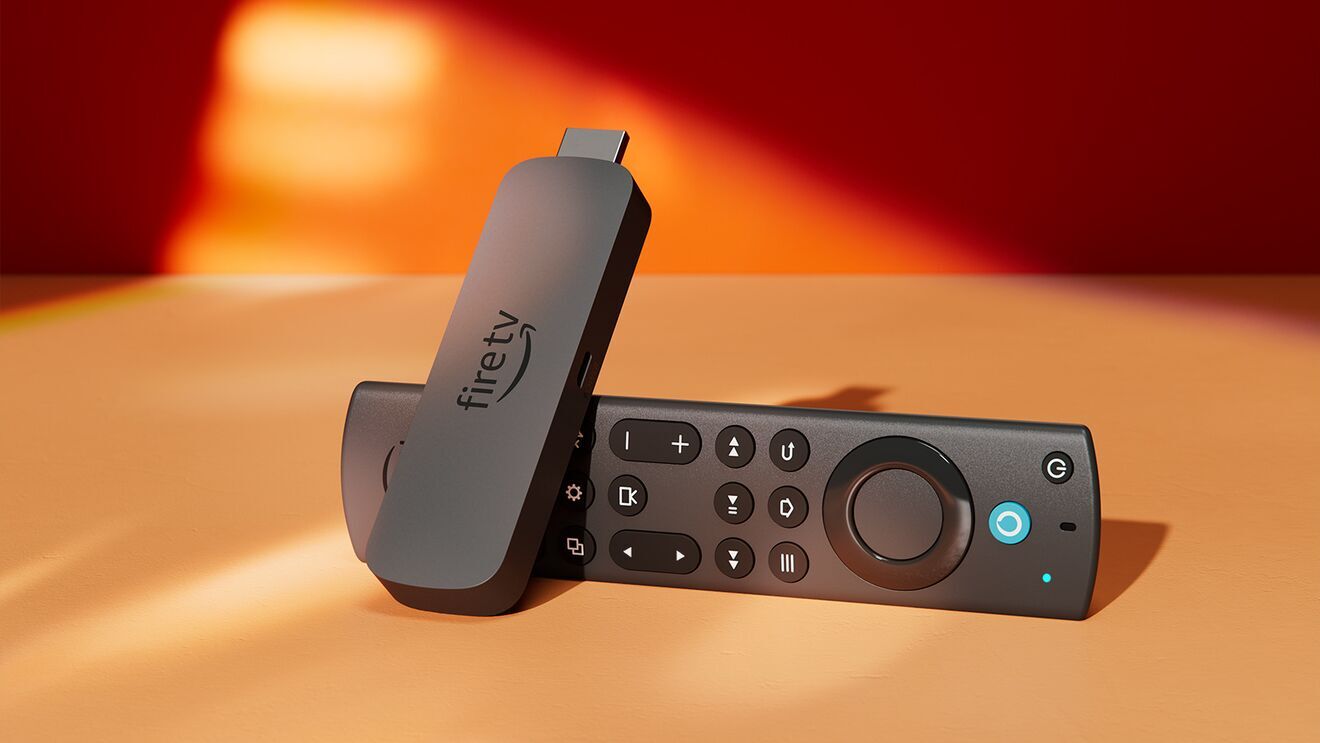
Fire TV Stick 4K Max: Best for Prime Video and Alexa households. Check price on Amazon
Roku vs Google TV vs Fire TV
Roku is the safest recommendation for buyers who want ease of use. It is especially strong in family rooms, guest rooms, and shared spaces where simplicity matters more than flashy features. If you want something you can set up once and rarely think about again, Roku remains one of the strongest options.
Google TV is a better fit if you want a more modern interface and smarter content discovery. It works well for users already tied into Google services and can feel more personalized than Roku. The tradeoff is that it may feel busier, which some users will love and others will not.
Fire TV makes the most sense for Prime Video users and Alexa households. Amazon’s hardware often delivers solid value, but the interface can feel more ad-heavy than its rivals. If you are already comfortable inside the Amazon ecosystem, that may not bother you. If you value a cleaner layout, Roku or Google TV will likely feel better.
Who should buy each option?
Buy Roku if you want simplicity and broad usability.
Buy Google TV if you want smarter recommendations and stronger Google ecosystem ties.
Buy Fire TV if you already use Alexa and Prime Video heavily.
Buy a premium streaming box instead of a cheap stick if you care about speed and use your TV every day.
Are premium streamers worth it in 2026?
In many cases, yes. A premium streaming device gives you a noticeably smoother experience, better navigation, and often better picture-format support than bargain options or outdated built-in smart TV systems. If you stream every day, a faster box or higher-end stick can be one of the easiest home entertainment upgrades to justify.
The big mistake is going too cheap and then fighting with lag, weak remotes, or buggy app performance. A good streamer saves time and frustration every single week. That is the kind of value buyers actually feel.
Final verdict
The best streaming device for 2026 depends on how you watch, but most buyers should start with Roku or Google TV. Roku is the easiest recommendation when simplicity matters most. Google TV is the better choice if you want a smarter interface and stronger ecosystem features. Fire TV still has a place, but it is a more specific fit than a universal recommendation.
If your TV experience feels dated, slow, or messy, upgrading your streaming device is one of the easiest ways to improve it. It is cheaper than replacing your television, faster than overhauling your whole setup, and much more useful than another gadget that just collects dust.
Pet hair has a very specific talent. It appears everywhere, all at once, with the confidence of a houseguest who has decided to move in permanently. A robot vacuum will not solve every cleaning problem in a home with pets, but the right one can dramatically reduce the daily chaos level.
The catch is that robot vacuums are not all equally good at dealing with fur, tracked litter, dander, and the weird little tumbleweeds that collect along baseboards like they are auditioning for a western. Some models choke on longer hair. Some tangle badly. Some clean well enough but require so much maintenance that you begin to resent the machine personally.
In 2026, the safest picks are the ones that combine strong debris pickup, brush systems that resist tangling, reliable navigation, and preferably some level of self-emptying convenience. Because if you are buying a robot vacuum for a pet home, you are not shopping for novelty. You are shopping for one less recurring headache.
What Matters Most in a Pet Home
Anti-tangle brush design is not a luxury
Pet hair exposes bad brush design immediately. A vacuum that tangles constantly turns automation into another chore, which rather defeats the whole point of inviting the robot into your life.
Strong pickup on both hard floors and rugs matters
A lot of pet households have mixed flooring. The best robot vacuums can move from hard surfaces to area rugs without suddenly acting like they forgot their profession.
Self-empty docks are worth serious attention
If a robot fills up too quickly, especially during shedding season, the self-empty dock becomes one of the most meaningful quality-of-life upgrades you can buy. It is not glamorous. It is, however, extremely useful.
Navigation quality affects real-world trust
If the robot gets lost, wedges itself under furniture, or repeatedly headbutts water bowls like a confused intern, it stops being helpful. Good mapping and object avoidance are worth paying for.
Roomba still carries strong mainstream recognition for a reason. The j9+ is one of the easier premium picks to recommend if you want a robot vacuum built around pet-home convenience, especially if your priority is reliable upkeep over experimental gadget flair.
Its appeal is not mystery. Good ecosystem familiarity, self-emptying convenience, and a product direction that clearly understands the mess patterns of homes with animals. For buyers who want the recognizable safe pick, this is near the front of the line.
Roborock keeps earning attention because the company is very good at building feature-dense floor-care hardware that feels a step ahead on navigation and cleaning automation. The Qrevo Curv is a compelling choice if you want strong hands-off convenience and a more premium smart-cleaning setup.
This is the kind of robot vacuum that makes sense for busy households where pets, people, and furniture all create a daily obstacle course. The appeal is not just suction. It is reduced friction.
Shark tends to be strong for buyers who want a recognizable big-box brand without immediately jumping to the most expensive option in the room. Its self-empty robot lines have become more serious contenders for homes that need practical fur pickup and straightforward upkeep.
If you want something that feels more accessible from a price and availability standpoint, Shark is one of the most rational places to look first.
Eufy has become more interesting in robot vacuums because the company is pushing into more premium cleaning features while still appealing to shoppers who care about value. The X10 Pro Omni is a strong watchlist pick if you want advanced automation without instantly defaulting to the usual top-two brands.
For pet homes, the selling point is usually convenience: better automated cleaning routines, strong floor coverage, and less manual babysitting day to day.
What Works Well in This Category
The best robot vacuums for pet hair in 2026 are finally good enough to feel like real household support instead of expensive optimism. In a busy home with a dog or cat, that matters. Daily fur control is one of those chores that never really ends. The right robot vacuum chips away at that problem quietly and consistently.
That consistency is the real value. Floors stay more manageable. Visible shedding feels less overwhelming. Guests are less likely to leave wearing half your pet. And if you have allergies or simply dislike seeing every sunbeam reveal a fresh layer of fuzz on the floor, the convenience payoff becomes obvious very quickly.
This is also one of the rare smart-home purchases that can genuinely save time multiple times per week instead of just making you feel futuristic for six minutes.
What Could Be Better
Even the better robot vacuums are not miracle workers. Long hair and pet hair can still cause some tangling. Corners still need help. Stairs remain an unsolved problem unless your robot develops ambition and insurance coverage.
Mopping combos can also be hit or miss depending on your floors and expectations. They are useful for maintenance, but they do not replace a proper deep clean in a house with kids, pets, muddy paws, and the general chaos of actual living.
Price is the other obvious issue. The models that feel truly low-friction often live in the premium tier. That does not mean cheaper options are worthless, but it does mean buyers should think hard about whether self-emptying, better navigation, and anti-tangle design are worth the extra spend. In many pet homes, the answer is yes.
Who This Is For
This category is ideal for:
dog and cat owners dealing with daily shedding
busy households that want more automated floor maintenance
buyers who value self-emptying convenience and less manual cleanup
It is less ideal for:
shoppers expecting total replacement of deep cleaning
homes with lots of stairs and highly separated layouts
Smart Buying Priorities
If you want the safest robot-vacuum purchase for pet hair, prioritize:
Anti-tangle brush design
Consistent pet-hair pickup on hard floors and rugs
Self-empty dock convenience
Reliable mapping and obstacle avoidance
Mopping extras only after the basics are solid
That order tends to produce a machine you will actually keep using instead of one that becomes a shiny floor puck of disappointment.
Final Verdict
The best robot vacuums for pet hair in 2026 are the ones that reduce your cleaning workload every week without demanding constant rescue missions or brush-roll surgery. That means good pickup, thoughtful anti-tangle engineering, solid navigation, and ideally a self-empty dock that keeps the whole process low-drama.
If you want the safest premium route, Roomba and Roborock remain easy shortlist names because they understand the daily mess logic of pet homes well. Shark is strong for more value-minded buyers who still want recognizable support and convenience, while Eufy stays interesting for shoppers who want advanced features without blindly paying flagship prices.
For more buying guides, browse our Products and Tech coverage. And if you are rounding out a smarter-home setup one useful purchase at a time, start with the products that remove chores instead of adding new ones.
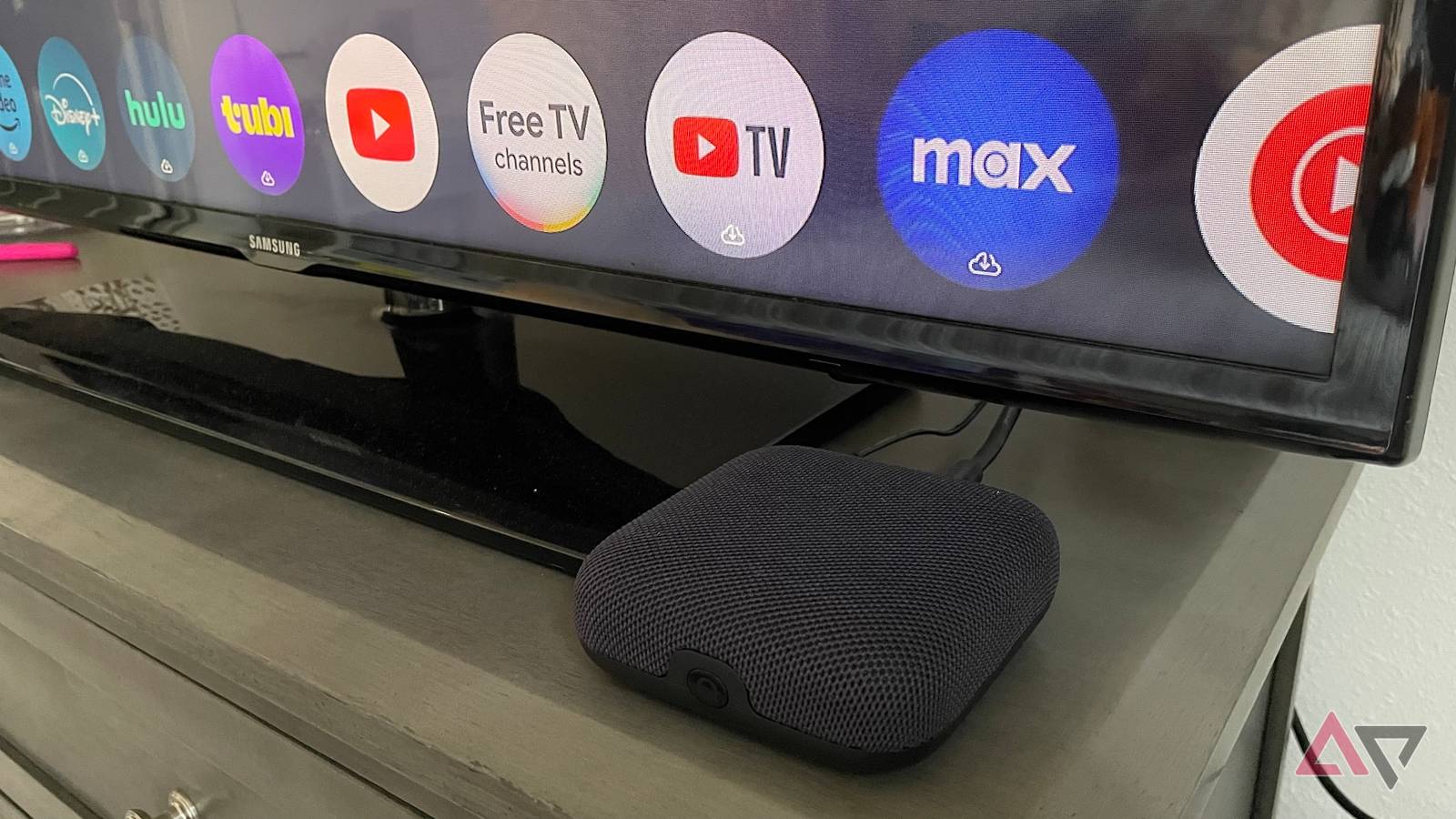
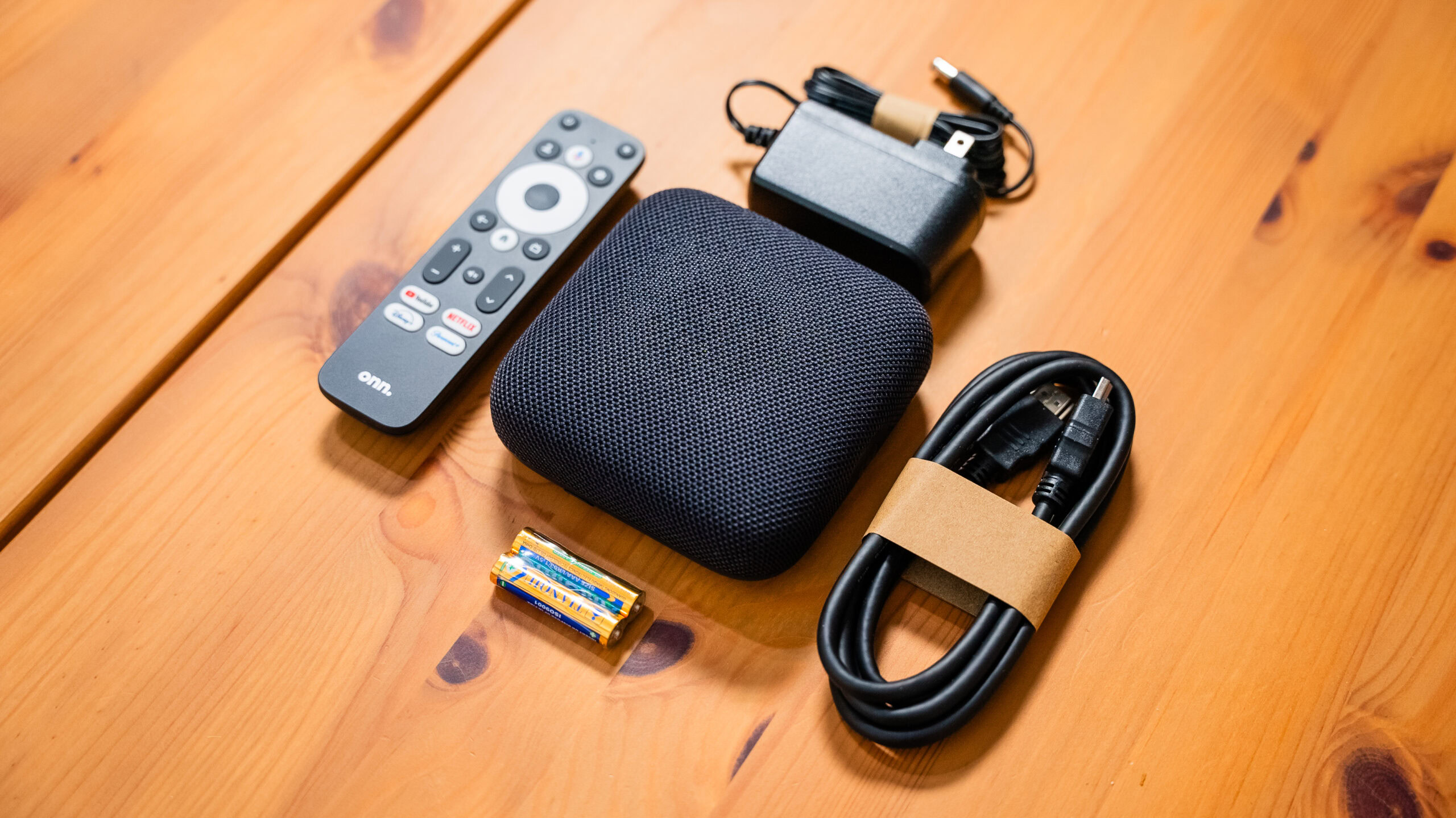
If you want a streaming box that feels faster and more capable than a bargain-bin stick without jumping all the way to Apple TV money, the Walmart Onn 4K Pro is the obvious device to look at in 2026. It lands in a sweet spot that a lot of shoppers actually care about: enough speed, enough storage, enough ports, and a clean Google TV experience at a price that does not feel ridiculous.
That is why this box matters. Plenty of people do not need the most premium streamer on the market. They need something that fixes a sluggish smart TV, runs the major apps well, supports modern video formats, and does not feel like a compromise every time they pick up the remote. The Onn 4K Pro gets closer to that goal than you would expect from a Walmart house brand.
It is not perfect. Long-term support is the main question mark, and some buyers will still feel safer with Roku, Apple, or Amazon. But for pure value, this is one of the strongest streaming-device plays in the current market.
What the Walmart Onn 4K Pro Is
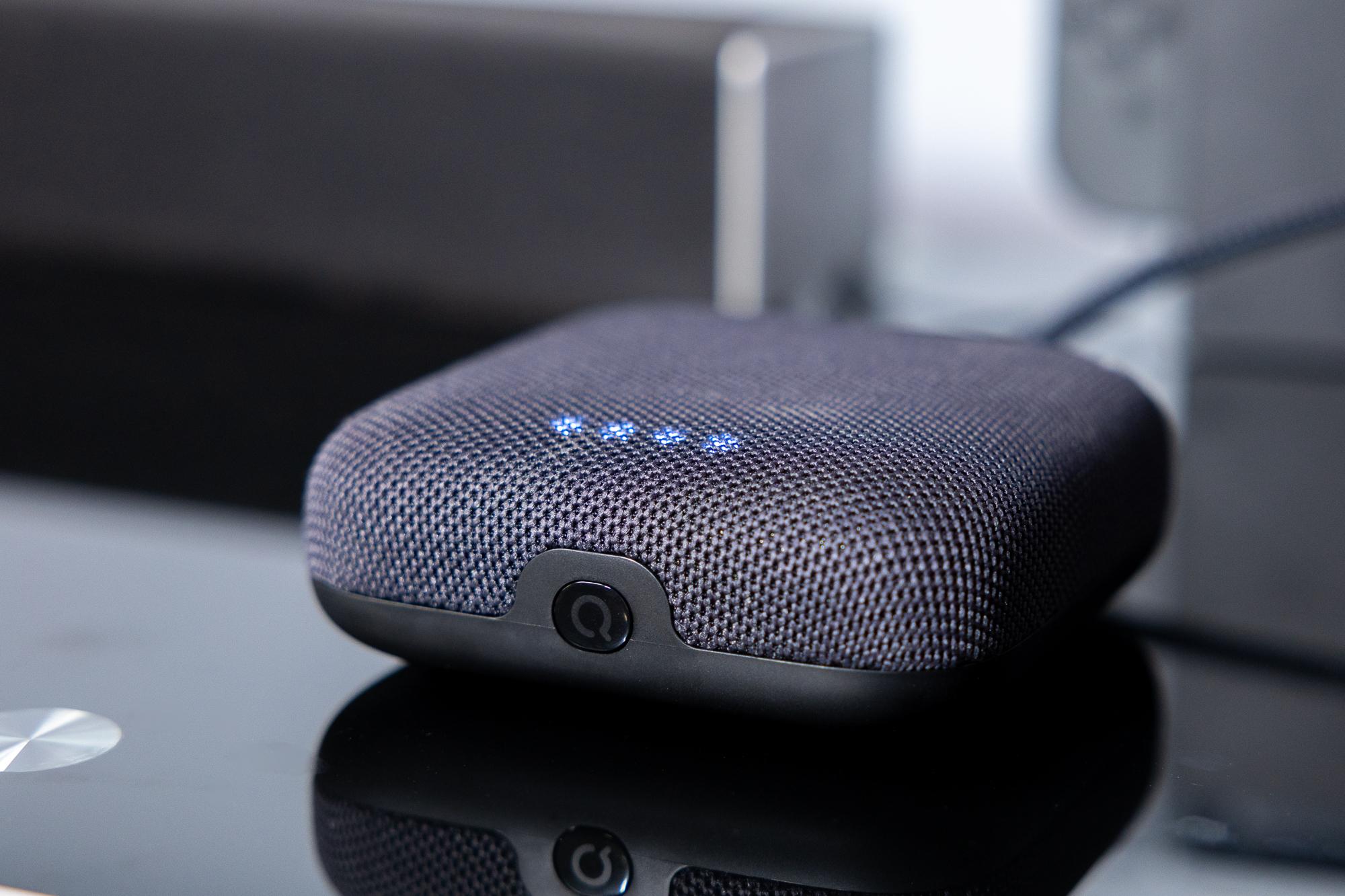
The Onn 4K Pro is Walmart’s flagship Google TV streaming box. It is built for shoppers who want a real set-top box instead of a bare-minimum stick, but who still care about price. Key headline features include 4K output, Dolby Vision, Dolby Atmos, 32GB of storage, 3GB of RAM, Wi-Fi 6, Ethernet, and a USB 3.0 port for extra flexibility.
That feature list matters because it gives the device a more serious home-theater profile than a lot of cheap streamers. Ethernet is useful for anyone who hates buffering or has a crowded Wi-Fi environment. Extra storage gives the box more breathing room for apps and media tools. The USB port adds utility you simply do not get on a lot of lower-cost competitors.
It also runs Google TV, which means the interface will feel familiar to buyers already using Google Assistant, Google Home, Android phones, or Chromecast-style casting. If your house is already Google-friendly, the Onn 4K Pro makes more sense than forcing yourself into another ecosystem just to save a few dollars.
Real-World Use and Everyday Performance
The biggest win here is that the Onn 4K Pro does not feel cheap in the ways that matter most. Navigation is snappy, app switching is quick enough to keep the device from becoming annoying, and the overall experience is closer to a proper streaming box than a throwaway impulse-buy stick.
For movie and TV fans, the support for Dolby Vision and Dolby Atmos gives it a legitimate upgrade case over older built-in TV software. If your television panel is still fine but the software feels tired, a dedicated streamer like this can be the simpler fix. That is the same basic logic behind buying a premium box like the Apple TV 4K, just at a much friendlier price point.
The extra ports also make the Onn 4K Pro more flexible than a lot of rivals in its price lane. Ethernet is the easy headline, but the USB 3.0 port is what makes the device feel a little more enthusiast-friendly. That matters for buyers who want local media options, extra accessories, or just a box that does more than the bare minimum.
This is also a better fit for price-conscious living rooms than the Apple TV 4K and a more feature-rich value play than many basic sticks. If you are outfitting a bedroom TV, replacing frustrating smart-TV software, or building a lower-cost movie setup, this is the kind of device that makes more sense than overspending just because a premium badge exists.
Where the Onn 4K Pro Stands Out
It gives budget buyers more of the good stuff
Cheap streaming devices usually cut something important: storage, speed, port selection, or video features. The Onn 4K Pro does a better job than most at keeping the stuff shoppers actually notice. That makes the value story much cleaner than it is for a lot of no-name hardware.
It is one of the most interesting alternatives to Fire TV and Roku
If you do not love Amazon’s ad-heavy feel or you want more flexibility than a basic Roku setup, the Onn 4K Pro lands in a useful middle lane. It offers a stronger box-style experience without asking you to pay the same premium as Apple.
Pros and Cons
Pros
strong feature-to-price ratio for a true box-style streamer
Google TV interface makes sense for Google-heavy households
Dolby Vision and Dolby Atmos support add real home-theater value
Ethernet, Wi-Fi 6, and USB 3.0 give it more flexibility than many cheap rivals
32GB storage and 3GB RAM help it feel less cramped than bargain sticks
Cons
Walmart house-brand status raises fair questions about long-term support and consistency
not as refined or premium-feeling as Apple TV 4K
buyers deeply invested in Roku or Amazon ecosystems may not want to switch
availability can be more annoying than major-platform devices sold everywhere
Onn 4K Pro vs Apple TV 4K, Roku, and Fire TV
The easiest way to think about this device is by buyer type. If you want the smoothest premium interface and already live in Apple’s ecosystem, the Apple TV 4K still makes the stronger luxury pick. If you want an inexpensive, straightforward platform and do not care much about extra ports, Roku remains an easy recommendation. If low upfront cost and Amazon integration matter most, Fire TV still has a strong case.
The Onn 4K Pro wins when the question becomes value per dollar. It offers a box-style experience, modern video support, a better-than-expected feature set, and Google TV familiarity without pushing into premium pricing. For a lot of shoppers, that is the smartest lane.
Yes, for the right buyer it is. If you want a budget-friendly streaming box that still feels modern, the Onn 4K Pro is one of the easiest recommendations in the category. It is especially appealing if you like Google TV, want Ethernet and extra storage, or are tired of underpowered smart-TV software.
You should skip it if you care more about long-term brand confidence than upfront value, or if you already know you want the polish of Apple TV or the simplicity of Roku. But if the goal is to get a lot of streaming hardware for not much money, the Onn 4K Pro hits the target.
Final Thoughts
The Walmart Onn 4K Pro succeeds because it understands what most buyers actually want: a streaming box that feels capable, not fragile; modern, not bloated; and affordable, not disposable. It does not have the strongest brand prestige in the category, but it absolutely has a strong value story.