

Directed by Baltasar Kormákur, “Touch” is an ambitious narrative that unfurls across several continents and decades, tracing the poignant journey of a man questing to reconnect with his vanished first love. This isn’t just a movie; it’s a voyage into the heart of enduring affection, yet it’s wrapped in a pace that may test the patience of even the most dedicated cinema aficionados.
A Love Lost and Sought
“Touch” stars Egill Ólafsson as Kristófer, a man haunted by the disappearance of his first love, Miko, portrayed by the intriguing newcomer Kōki. After fifty years, the ticking clock of life pushes Kristófer to embark on what might be his final quest—to find Miko and resolve their unfinished love story. This plot could have been the foundation for a thrilling, fast-paced adventure, yet Kormákur opts for a methodical, almost meditative approach to storytelling.

The Pace: A Double-Edged Sword
Let’s talk about the elephant in the room—the movie’s pace. It’s slow, and I mean, really slow. There are moments where this serves the film well, allowing viewers to truly absorb the emotional depth of Kristófer’s journey and the beautiful cinematography of the various locales. However, it often feels as though the narrative is treading water. For instance, the scene where Kristófer gets a tattoo—a nod to his enduring connection to Miko—is visually striking but adds little to the central narrative. It’s as if the film occasionally forgets its destination, getting lost in its scenic routes.

Emotional Resonance or Pointless Journey?
“Touch” excels in building an emotional tapestry that resonates on a personal level. The theme of lost love and the quest for closure is universal, and Kormákur beautifully captures the ache and the longing that comes with it. Yet, one can’t help but feel that the film could have done more with its premise. Beyond Kristófer’s personal quest, the film rarely ventures into deeper thematic territories, leading one to question—what’s the point? Is the journey itself the reward, or is it merely a series of beautifully shot scenes strung together without much narrative payoff?
The Acting: A Saving Grace
Where the film might lag in pace, it certainly makes up for it with some solid performances. Ólafsson delivers a heart-wrenchingly nuanced portrayal of a man driven by the twin engines of love and desperation. Kōki, as Miko, though having limited screen time, leaves a memorable impression that makes Kristófer’s lifelong obsession entirely believable. The supporting cast, including Palmi Kormakur, adds depth and texture to the story, ensuring that the emotional landscape of the film is both varied and vibrant.

“Touch” is a film that will likely polarize audiences. If you are the kind of viewer who appreciates a film that takes its time to unfold, who values emotional depth over a tightly packed plot, then “Touch” might just be a treasure. It’s a cinematic experience that asks for patience and offers in return a deep dive into the realms of love and longing.
Is “Touch” Worth Your Time?
For me, attending “Touch” was a reminder of why we go to the movies—not just for entertainment but sometimes to witness a slice of life, to feel a connection to experiences far removed from our own. While it wasn’t the most thrilling ride of the year, it was certainly one of the most touching. And perhaps, in a world often rushed and chaotic, there’s something profoundly beautiful about a film that dares to take its time, even if it stumbles along the way.
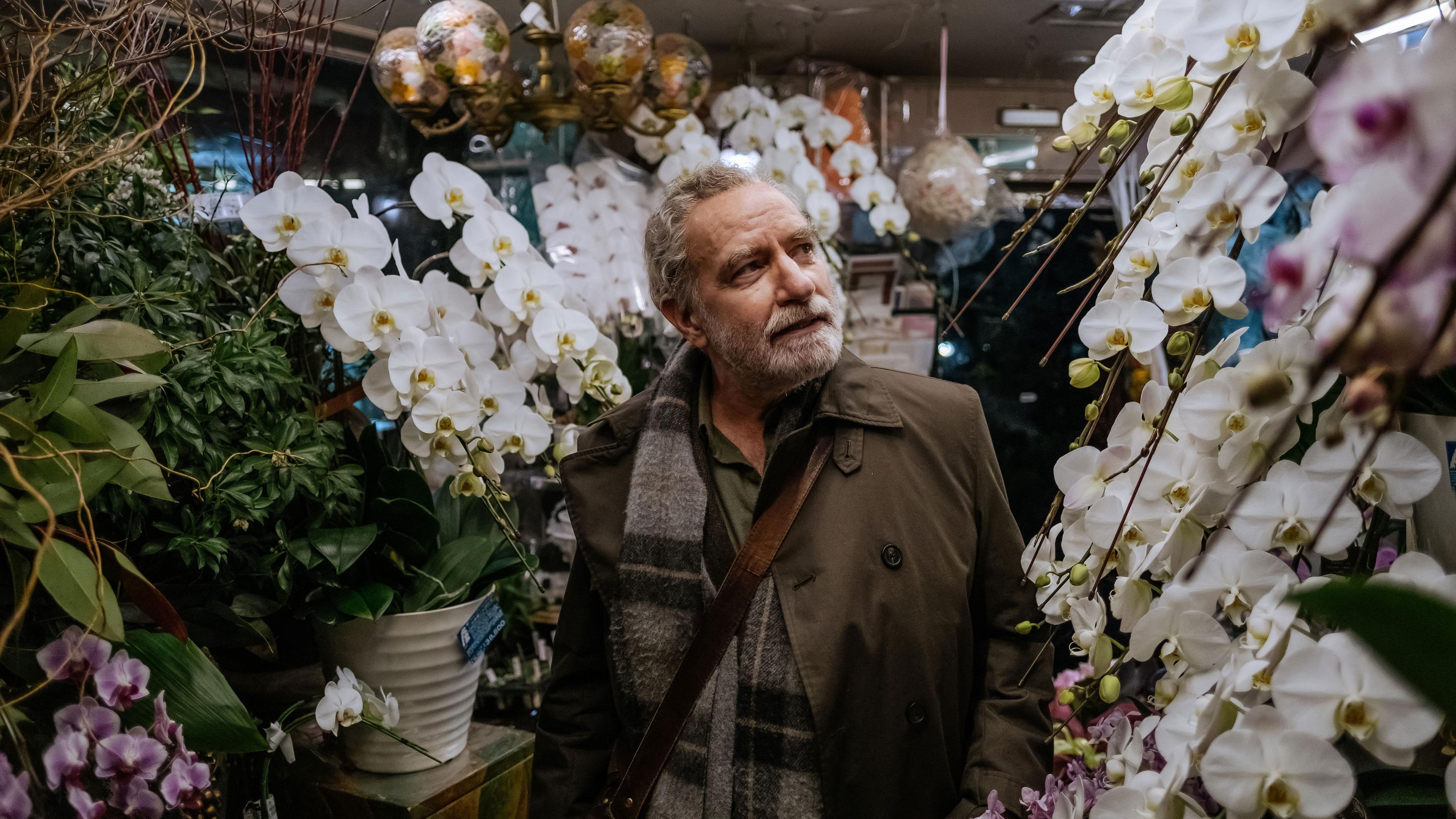
“Touch” might not be for everyone, but for those it resonates with, it offers a poignant reflection on love, loss, and the indelible marks they leave on our lives. If you’re up for a slow-burning journey through the landscapes of human emotion, give “Touch” a chance—it might just move you in ways you didn’t expect.
[penci_review id=”7735″]