
Every once in a while, an animated movie catches me completely off guard.
I went into Forgotten Island expecting a colorful adventure about two best friends trapped in a mystical world. And technically, that’s exactly what it is. But underneath the creatures, comedy, and fantasy is a surprisingly meaningful story about friendship, family, culture, ambition, and how easily we can forget why certain people became important to us in the first place. And honestly?

Wow. What a fun film.
Directed and written by Joel Crawford and Januel Mercado, Forgotten Island follows two best friends who become stranded in the mysterious world of Nakali. Escaping the island is possible, but there’s a devastating catch: getting home may require sacrificing the lifetime of memories they’ve created together. That’s already a pretty emotional concept for an animated movie. What surprised me was how much deeper the film was willing to go with it.
Nakali Is Colorful, Magical, and Culturally Familiar
One of the first things that stood out was the culture woven throughout the movie. The film doesn’t simply use its cultural influences as decoration. They’re part of the characters, creatures, humor, family dynamics, and mythology of the world. That made the movie especially relatable in our household. My daughter is an only child, so the ideas of home, belonging, and relationships hit differently.

When your life is that of a lone child, “family” doesn’t always mean by blood. Sometimes family becomes the people you carry with you. That’s something Forgotten Island understands surprisingly well. And then there’s the Manananggal. If you grew up in a culture with stories about the boogeyman, el Cuco, or some terrifying creature adults conveniently mention when children aren’t behaving, you’ll immediately understand the idea.
But what I really liked was that the movie didn’t simply use the Manananggal as a scary monster. It gave her depth. There’s a reason she became who she is. There’s history behind the frightening exterior. That little bit of character development completely changes how you look at her. Instead of simply saying, “Here’s the monster; run!”, the movie asks you to consider what happened to make someone become the person everyone now fears. That’s a surprisingly mature idea hiding inside a family adventure.
The Real Story Is About Friendship
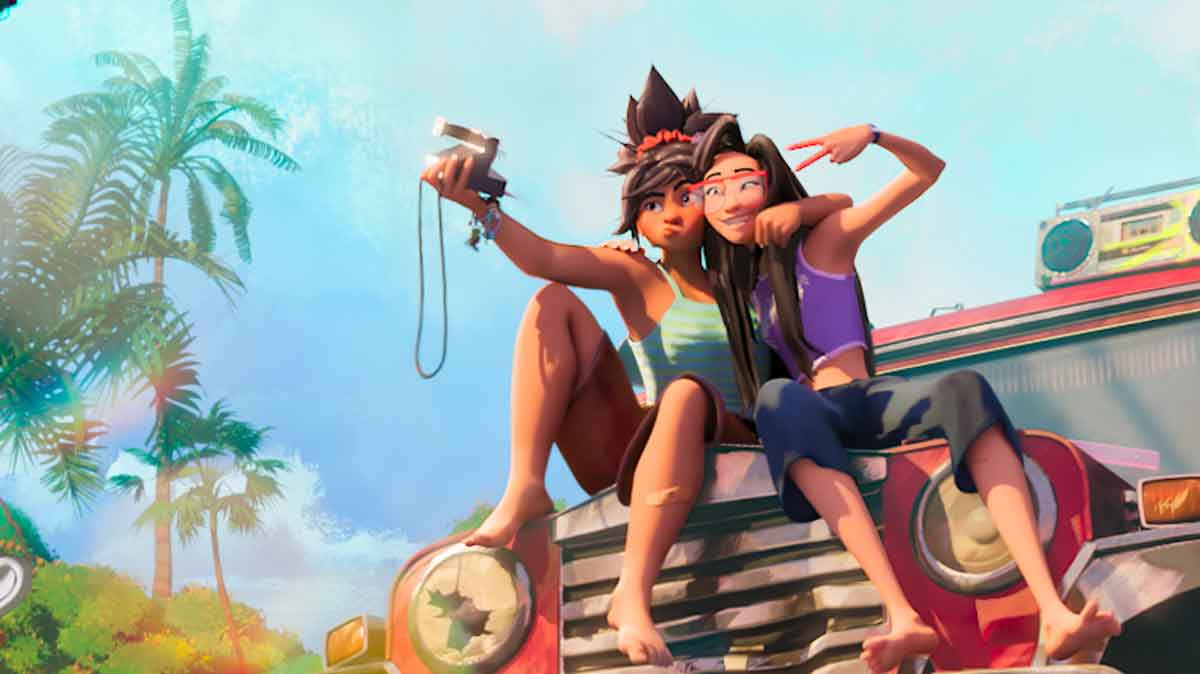
The fantasy adventure might get people into the theater, but the relationship between the characters is what gives Forgotten Island its heart. At its core, this movie is about friendship and love. And there’s a message here that I think adults may understand even more than kids: Sometimes we remember that someone is important to us but forget why they’re important. Life gets busy. People grow up. Careers happen. Families change. Friends move away. Suddenly, someone who was once involved in practically every part of your life becomes somebody you occasionally text or promise you’ll get together with “soon.”
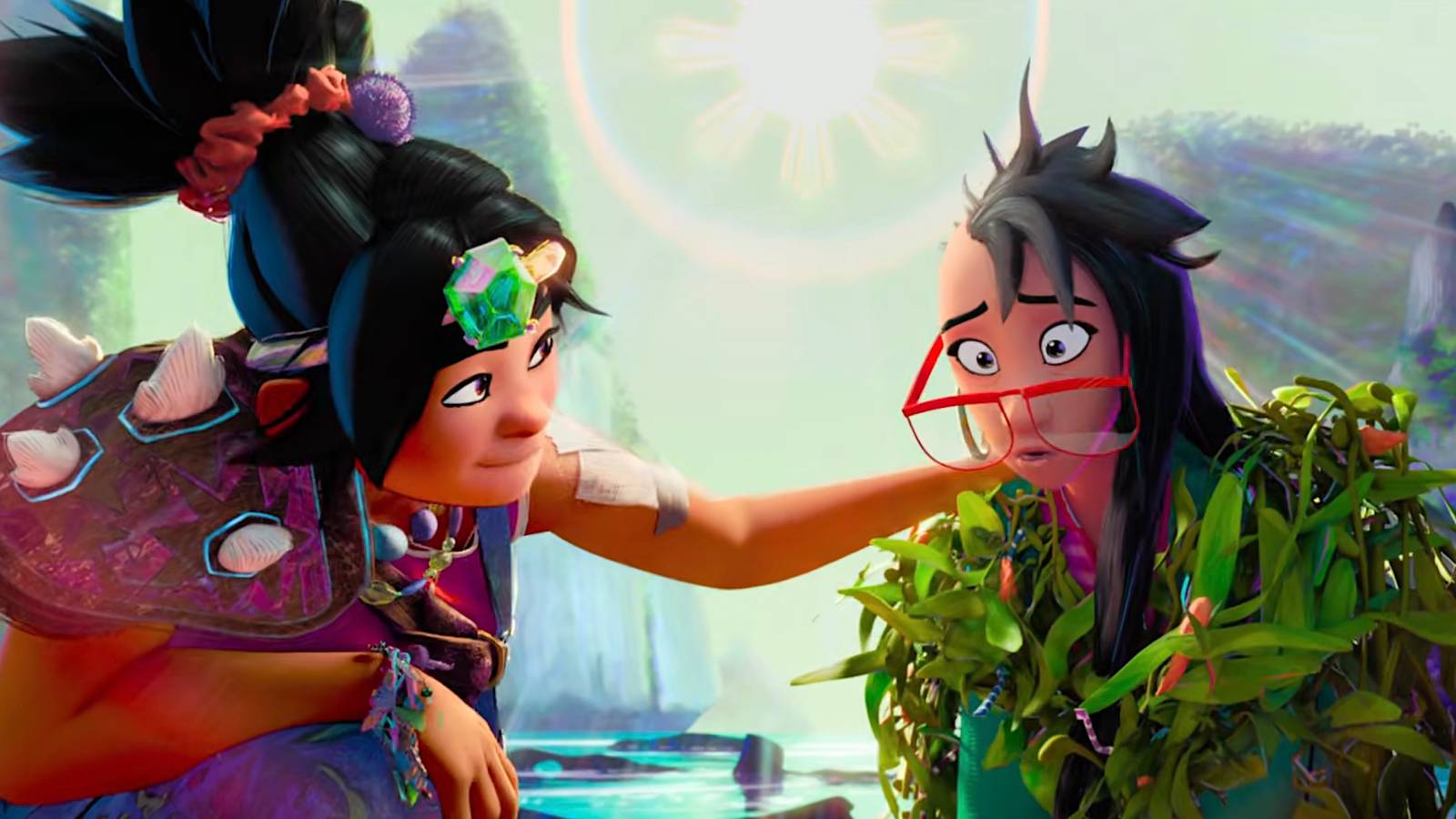
The idea that escaping Nakali could require giving up a lifetime of shared memories turns that very normal experience into something tangible. If you remove the memories, what happens to the relationship? Would you still feel connected to someone if you couldn’t remember the experiences that created that connection? That question gives what could have been a fairly straightforward animated adventure some genuine emotional weight.
There were even a few scenes that got to my six-year-old daughter teary. Watching a child become emotional during an animated movie is always interesting because kids aren’t sitting there analyzing themes or character development. They simply feel it. And if the story can make a six-year-old understand that something meaningful is at stake, the filmmakers have done something right.
Follow Your Passion; But Be Willing to Take Risks
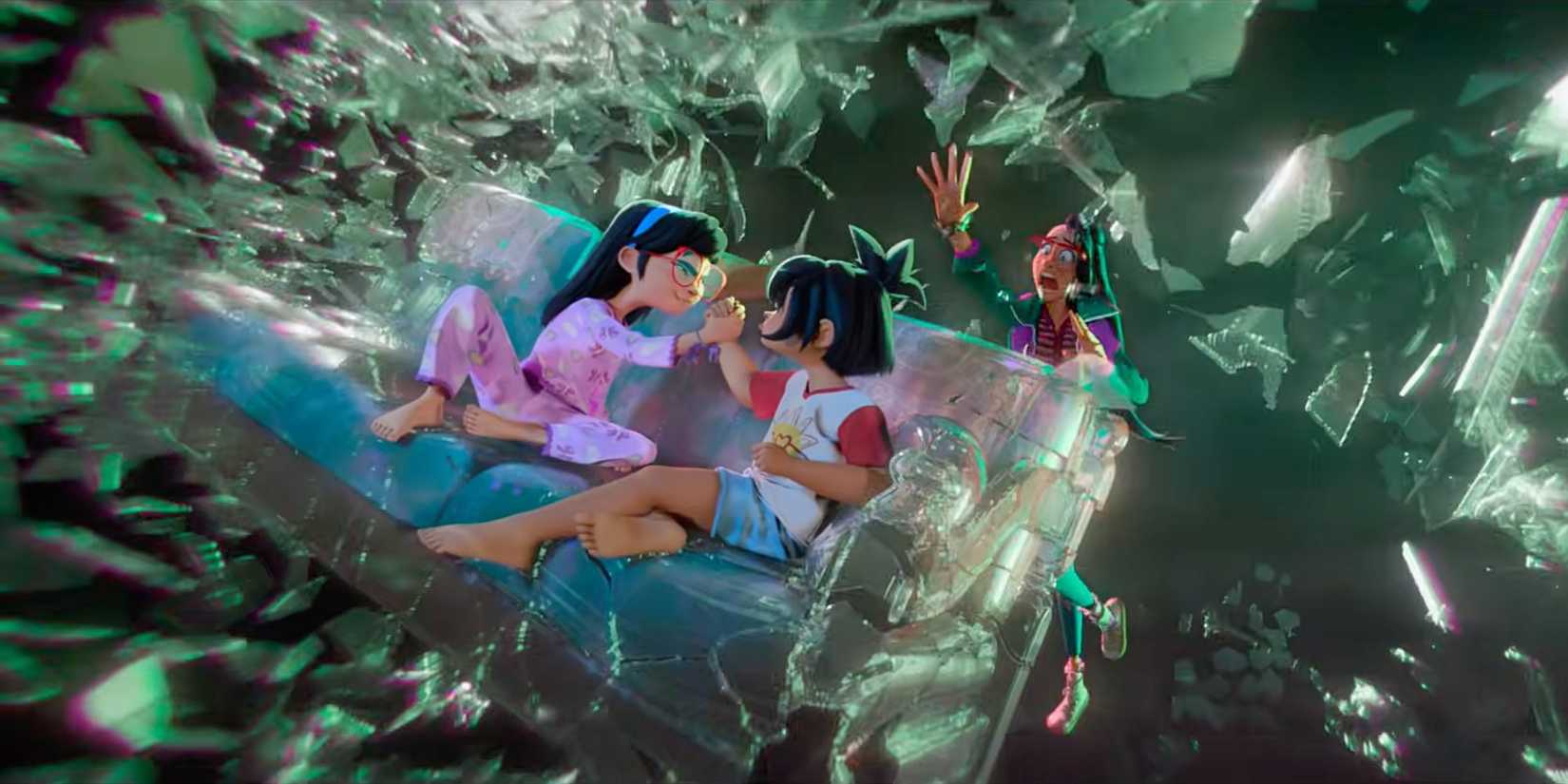
Another theme I really appreciated is the movie’s approach to ambition. A lot of family movies tell children: “Follow your dreams.” That’s great advice. But Forgotten Island adds another piece that’s equally important: You have to be willing to take risks.
Wanting something isn’t the same as pursuing it. At some point, you have to make the uncomfortable decision to move toward the thing you want, knowing there’s no guarantee everything will work out exactly as planned. That’s true whether you’re six, sixteen, or sixty. The movie doesn’t suggest everyone needs the same dream either, which leads into what may have been my favorite message in the entire film.

Success Doesn’t Look the Same for Everyone
I loved how Forgotten Island presents different versions of success through Jo, Raissa, and Raww. There’s no single finish line everyone is expected to cross. Jo, Raissa, and Raww Find Different Answers.
For Jo, success can be found on the island. For Raissa, success means pursuing education and becoming an astronautical engineer. And for Raww, fulfillment comes through companionship. None of those answers is treated as less meaningful than the others. I loved that.

We spend so much of our lives comparing ourselves to other people that we sometimes forget we’re not necessarily competing in the same race. One person’s dream might be building a massive career. Someone else’s might be raising a family. Another person might simply want a peaceful life surrounded by people they love.
Success doesn’t have to mean money, status, degrees, fame, or some universally agreed-upon accomplishment. Sometimes success is figuring out what actually makes you fulfilled rather than chasing somebody else’s definition of happiness. That’s a pretty valuable message for children to hear. Honestly, it’s not a bad reminder for adults either.
It’s a Kids Movie That Doesn’t Talk Down to Kids
The voice cast; including H.E.R., Liza Soberano, Dave Franco, Jenny Slate, Manny Jacinto, Dolly de Leon, Jo Koy, Ronny Chieng, and Lea Salonga, helps give the world a ton of personality. There’s plenty of humor and colorful adventure to keep younger audiences entertained, but the movie isn’t afraid of more complicated emotions. I appreciated that.
There are definitely some comments, jokes, and themes that seem intended for a slightly more mature audience. Parents of very young children may notice moments that go completely over their kids’ heads. But that’s pretty normal for modern family animation. My daughter still loved the movie.
She laughed during the fun parts, stayed engaged with the adventure, and became genuinely emotional during some of the heavier scenes. That’s probably one of the best measurements of whether a family movie works. Adults can appreciate the deeper themes while children remain completely invested in what’s happening on screen.


